How to polish glass 00201130495851 خدمة سريعة وبأرخص الأسعار
Do you clean your glass only to discover streaks, spray marks, and cloudiness that make the surface worse than before? The problem is often not just the dust, but also the cleaning method, the type of polish, the cleaning time, and the tool used. The correct glass polishing technique will help you choose what's best for your windows, mirrors, and glass surfaces.
What Is the Best Way to Polish Glass?
The best way to polish glass involves a series of simple but organized steps that help achieve a clean, shiny surface without streaks or water spots. Although cleaning glass may seem easy, getting a completely clear finish requires more than simply spraying a cleaning product and wiping it with a cloth.
In many cases, the problem is not the cleaning product itself, but the way the glass is cleaned. Using too much cleaner, wiping with an unsuitable cloth, or cleaning the glass while it is exposed to direct sunlight can all leave visible streaks and marks.
The proper method also depends on the type of surface being cleaned. Window glass is different from mirrors, while shower glass is exposed to soap and limescale and therefore requires a different approach. Clear acrylic should also not be treated exactly like traditional glass because strong products or rough cleaning materials may damage its surface.
For this reason, an effective glass polishing method should begin with removing dust, followed by choosing a suitable cleaning solution, using clean tools, and finally drying the surface properly to prevent streaks and water marks.
Why Do People Search for the Best Way to Polish Glass?
The main reason people search for the best way to polish glass is not simply because the glass is dirty. The real challenge is getting a completely clear surface after cleaning. Many people clean their windows or mirrors regularly, yet visible streaks remain when light falls directly on the surface.
This problem can happen when too much water or cleaning solution is used, or when the solution is allowed to dry on the glass before it is properly wiped away. Using a cloth that contains dust, grease, or residue from previous cleaning can also transfer a thin layer of dirt back onto the surface instead of removing it.
Another common problem is mineral deposits caused by tap water. This is especially noticeable on bathroom glass and shower doors. When water repeatedly comes into contact with the surface and is allowed to dry naturally, small spots can appear and gradually become more difficult to remove.
Understanding the reason behind the stain or streak is therefore an important part of the polishing process. Simply changing the cleaning product will not always solve the problem if the cleaning method itself is incorrect.
Basic Tools for Polishing Glass at Home
Before starting the cleaning process, it is better to prepare all the tools you need. This prevents you from using whatever cloth or material happens to be available. Choosing the right tools has a direct impact on the final result, and in many cases the cloth itself is responsible for lint and streaks.
-
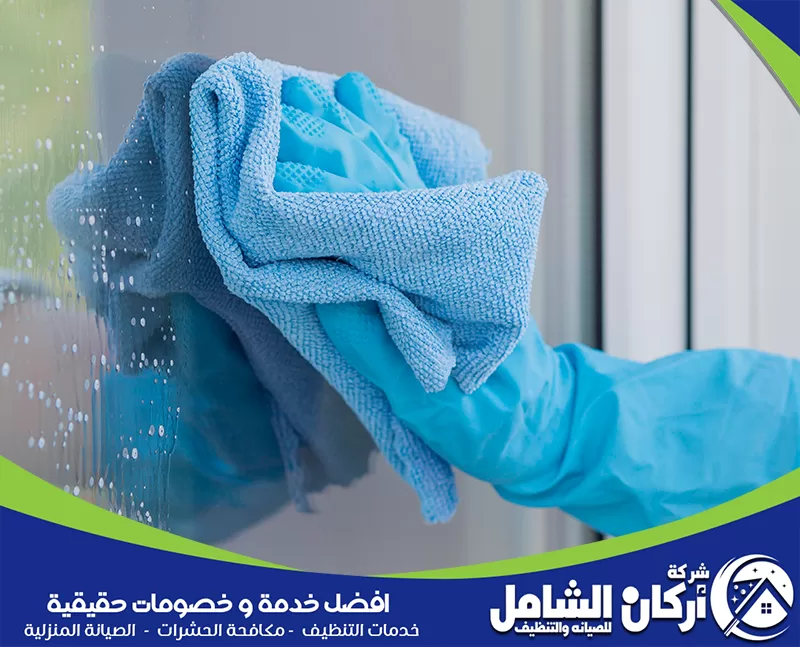
Clean microfiber cloth: One of the best choices for cleaning glass. It is preferable to use one cloth for cleaning and another dry cloth for the final polishing.
-
Clean spray bottle: Helps distribute the cleaning solution evenly in a thin layer instead of applying too much liquid.
-
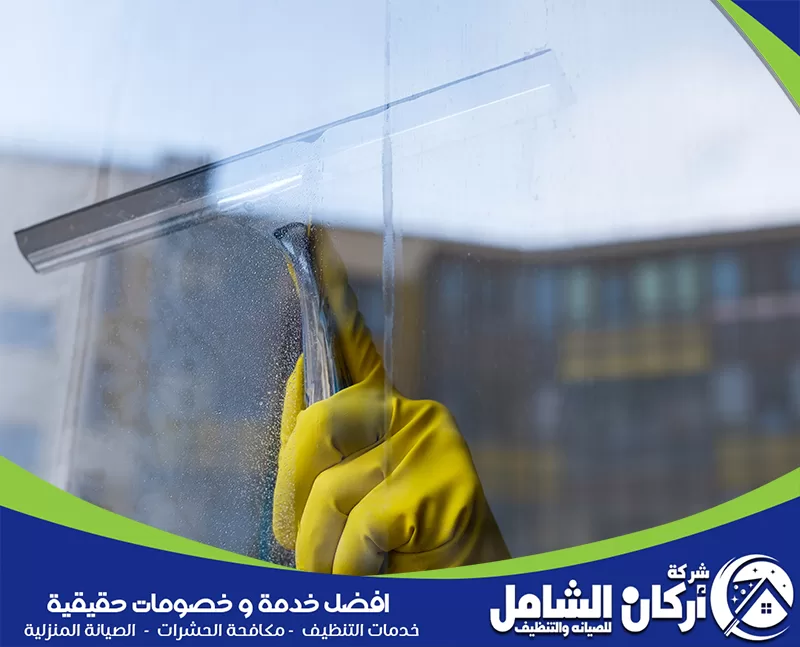
Rubber glass squeegee: Useful for large windows and shower glass, especially when there is a significant amount of water on the surface.
-
Soft brush: Can be used to remove dust from frames and corners before cleaning the glass.
-
Lukewarm or distilled water: Useful when tap water repeatedly leaves mineral spots after drying.
-
Small container: Helpful when preparing a simple homemade cleaning solution.
-
Gloves: Help protect the hands and keep the cleaning process more hygienic.
It is also better not to use the same cloth for cleaning frames and glass. Frames can contain more dust and grease, which may transfer back onto the transparent surface.
Are Newspapers or Paper Towels Suitable for Polishing Glass?
Newspapers were traditionally used to clean glass, but for regular cleaning, a good microfiber cloth is generally a better choice. Some newspapers may leave residue or ink marks, while paper towels can break apart and leave small fibers on the surface.
Using a dedicated, lint-free glass-cleaning cloth provides a more consistent result, especially when polishing mirrors and surfaces where even small marks can be easily noticed.

How Can You Polish Glass Without Streaks?
Getting streak-free glass depends largely on the order in which the cleaning steps are performed. A common mistake is spraying cleaner directly onto a dusty surface and then trying to remove everything using the same cloth.
When dust mixes with water or cleaning solution, it becomes harder to achieve a perfectly clear finish. Small particles can simply move from one area to another during wiping. This is why removing dust before applying any liquid is an important first step.
It is also better to avoid cleaning glass under direct sunlight. Heat causes water and cleaning products to dry quickly, meaning one part of the glass may dry before you have finished wiping the rest. This often leaves visible streaks.
For large windows, a rubber squeegee can help remove water and cleaning solution quickly. Afterward, a clean, dry microfiber cloth can be used to finish the edges and corners.
The main idea is to avoid leaving the glass wet for too long, avoid using excessive cleaning products, and make sure that the cloth used for the final stage is clean and dry.
Steps for Polishing Glass at Home
The best way to polish glass at home is simple when the steps are followed in the correct order.
-
Remove dust first: Clean the frame, corners, and glass surface with a dry cloth or soft brush.
-
Identify the surface: Before using any product, determine whether you are cleaning standard glass, a mirror, shower glass, or acrylic.
-
Choose the right cleaner: Select a product suitable for the specific surface rather than assuming one solution works for everything.
-
Use a small amount: Apply a light layer of cleaning solution or put it on the cloth if the surface requires limited moisture.
-
Wipe systematically: Wipe from top to bottom or use consistent movements to avoid overlapping streaks.
-
Use a squeegee: For large windows or shower glass, use a clean rubber squeegee to remove water gradually.
-
Dry the glass: Finish with a clean, dry microfiber cloth.
-
Check the result: Look at the glass from different angles or under side lighting to identify any remaining streaks.
What Is the Best Time to Polish Glass?
It is preferable to clean glass when it is not exposed to direct sunlight. Moderate temperatures or a shaded time of day allow the cleaning solution to remain wet long enough to be wiped properly.
This is particularly important when cleaning exterior windows because the glass can heat up quickly during the day, making the cleaning process more difficult and increasing the chance of streaks.
Different Surfaces Require Different Cleaning Methods
One of the most common mistakes when cleaning transparent surfaces is assuming that every surface can be cleaned in exactly the same way. In reality, surface sensitivity and the type of dirt vary from one material to another.
-
Window glass: Requires proper dust removal followed by suitable cleaning and drying.
-
Mirrors: Require limited moisture, with special attention to keeping liquid away from the edges.
-
Shower glass: Is regularly exposed to water, soap, and limescale, so it needs frequent cleaning and quick drying.
-
Clear acrylic: Requires gentle products and a soft cloth. Strong chemicals and aggressive scrubbing should be avoided.
-
Exterior glass: Requires thorough dust removal, especially when exposed to outdoor dirt for long periods.
Can You Spray Glass Cleaner Directly on Mirrors?
It is better not to spray excessive amounts of cleaner directly onto a mirror. Instead, apply a small amount of cleaner to a soft cloth and then wipe the surface.
The reason is that liquid can collect around the edges of the mirror and potentially reach the backing layer, especially when this happens repeatedly over time. Controlling the amount of liquid is therefore an important part of mirror polishing.
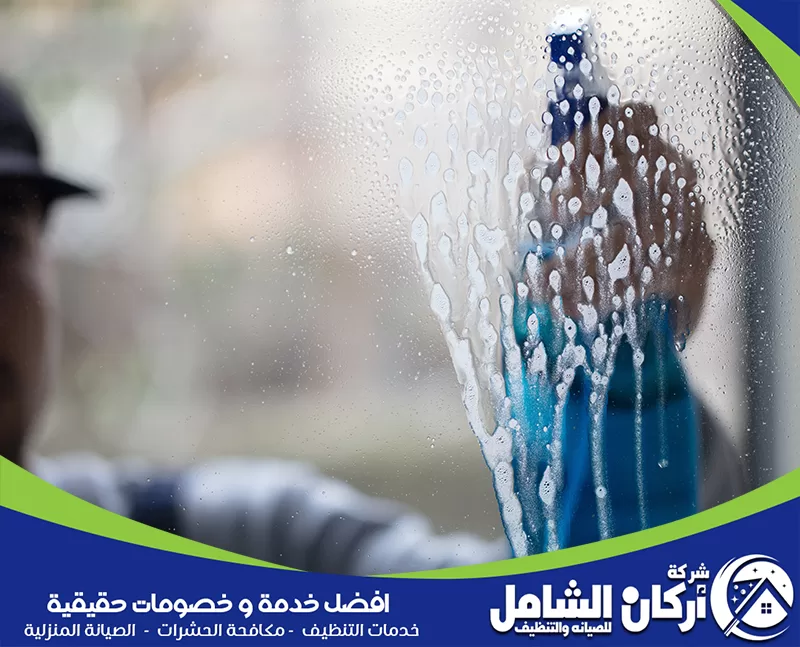
Spraying glass cleaner onto the surface to loosen dirt before wiping and final polishing.
Difference Between Common Glass Cleaning and Polishing Materials
Choosing a cleaning product is not about selecting the strongest option. What matters is whether the product is suitable for the surface being cleaned. A strong product is not necessarily better, and improper use can damage certain surfaces or edges.
|
Material |
Suitable For |
Avoid When |
|
Diluted white vinegar |
Standard glass and some light deposits on shower glass |
Mirror edges, acrylic, and nearby stone surfaces |
|
Mild soap and lukewarm water |
Everyday cleaning of glass, mirrors, and acrylic |
Using excessive amounts |
|
Baking soda |
Some localized stains on shower glass with gentle rubbing |
Aggressive scrubbing, mirrors, and acrylic |
|
Ready-made glass cleaner |
Quick cleaning of surfaces approved by the product |
Using it on an unsuitable material |
|
Strong cleaning chemicals |
Not generally recommended for routine home polishing |
Mixing with other chemicals or using them randomly |

Is Vinegar Suitable for All Types of Glass?
Not necessarily. Diluted vinegar can be used in some cases on standard glass or light deposits on shower glass, but it should not automatically be used on mirrors, acrylic, or nearby stone surfaces.
The most important step is to identify the surface before using vinegar or any other cleaning product. The problem may not be with the glass itself but with its edges or the layers behind it.
Reasons for Streaks and Spots After Polishing Glass
If you regularly clean your glass but streaks continue to appear afterward, the problem may be related to the cleaning technique rather than the type of glass.
-
Direct sunlight: Causes the cleaning solution to dry before it can be properly wiped away.
-
Dust on the surface: Mixes with the cleaner and becomes harder to remove.
-
Mineral-rich water: Can leave white spots after drying.
-
Dirty cloth: Transfers dirt and grease back onto the glass.
-
Too much cleaning product: Creates additional residue rather than improving shine.
-
Allowing water to dry naturally: Can create visible spots, particularly on bathroom glass.
-
Ignoring the edges: Dirt from the frame can return to the glass after cleaning.
A good result therefore depends less on using a large amount of cleaner and more on using the right amount with the right tools and drying the surface at the correct time.
Results of Using the Wrong Glass Polishing Method
Using an unsuitable method can produce the opposite of the desired result. Instead of making the glass clearer, it may leave a thin film of cleaning residue, streaks, or water spots.
In some cases, the problem may be old mineral buildup or repeated water stains that were not removed when they first appeared. Once deposits become strongly attached to the surface, normal wiping may no longer be enough.
Darkening around the edges of a mirror may also indicate a problem with the backing layer or edges rather than a simple surface stain.
For this reason, it is important to distinguish between ordinary surface dirt and old deposits or damage before trying stronger cleaning products.
Common Mistakes When Polishing Glass
There are several simple mistakes that repeatedly occur during glass cleaning and can prevent you from getting the result you want.
-
Cleaning glass in direct sunlight: Causes the solution to dry too quickly.
-
Spraying cleaner before removing dust: Makes dirt stick to the surface.
-
Using too much cleaner: Leaves a layer of residue.
-
Using one cloth for everything: Can transfer dirt and grease onto the glass.
-
Excessive spraying on mirrors: Increases the possibility of moisture reaching the edges.
-
Scrubbing with rough materials: May cause scratches or unwanted marks.
-
Using a blade or sharp tool without knowing the surface type: Can cause permanent damage.
-
Mixing cleaning products: Especially different chemical products, which should be avoided.
Does Using More Cleaner Make Glass Shinier?
No. Using more cleaning solution does not mean the glass will become shinier. In many cases, the opposite happens because excessive cleaner requires more effort to remove and may leave visible residue after drying.
It is better to use a small amount, distribute it properly, and then wipe and dry the surface with a clean cloth.
Practical Tips for Keeping Glass Shiny
Keeping glass shiny does not require deep cleaning every day. Instead, a few simple habits can help prevent dirt from building up in the first place.
-
Use a dedicated drying cloth: The cleaning cloth may contain residue from the cleaning solution.
-
Dry shower glass after use: This helps reduce soap and limescale buildup.
-
Clean frames and corners: Prevents dust from returning to the glass after cleaning.
-
Use suitable water: If your water repeatedly leaves white spots, distilled water can be considered for cleaning or final wiping.
-
Test the product on a small area: Especially when dealing with an unfamiliar or coated surface.
-
Do not wait for dirt to build up: Light, regular cleaning is easier than removing old layers of buildup.
-
Check the glass under side lighting: Some streaks are difficult to see when looking directly at the surface.
When Should You Contact a Professional Glass Cleaning Specialist?
Most everyday dirt can be handled at home, but there are situations where professional assistance may be the better option, particularly when stains do not respond to normal cleaning.
If the deposits are very old or there is a thick white layer on shower glass, specialized treatment may be required instead of simply increasing the amount of cleaner or scrubbing harder.
Exterior windows at height also require appropriate equipment and safety measures. If the glass has a special coating, is painted, or you are unsure about its type, it is better not to experiment with strong cleaning products.
The same applies to mirrors showing darkening or damage around the edges. This may be related to the backing layer rather than a surface stain.

A Quick Summary of the Best Way to Polish Glass
The following table summarizes the most important points for cleaning different glass and transparent surfaces:
|
Surface |
Recommended Method |
Important Note |
|
Window glass |
Remove dust, clean, then dry thoroughly |
Avoid direct sunlight |
|
Mirrors |
Apply a small amount of cleaner to the cloth and wipe gently |
Prevent liquid from collecting around the edges |
|
Shower glass |
Remove soap and limescale, then rinse and dry |
Using a squeegee after showering helps |
|
Clear acrylic |
Lukewarm water, mild soap, and a soft cloth |
Do not treat it like ordinary glass |
|
Stubborn stains |
Spot treatment and product testing first |
May require professional assistance |
Conclusion: What You Should Know About Polishing Glass
The best way to polish glass depends on several simple steps, starting with removing dust, choosing a product suitable for the surface, using a small amount of cleaner, wiping with a clean cloth, and drying the glass properly.
There is no single cleaning product that is suitable for every transparent surface. Window glass is different from mirrors, shower glass requires special attention to soap and limescale, while acrylic needs gentler products and more careful wiping.
Cleaning glass at the right time and avoiding direct sunlight can also help reduce the streaks that appear after drying. With proper drying and controlled use of cleaning products, it becomes easier to maintain a clear and shiny surface for longer.
When dealing with old deposits, scratches, or damage to mirror backing layers, it is better to avoid experimenting with strong chemicals. In such cases, the problem may require professional assessment rather than more aggressive cleaning.