The best company for insulating water pipes from heat 00201130495851 خدمة سريعة وبأرخص الأسعار
Are you looking for an effective solution to protect your water pipes from the effects of high temperatures and reduce malfunctions and damage? At Maskancare, a company specializing in heat insulation for water pipes, we offer well-designed solutions that maintain network efficiency and extend pipe lifespan, with precise execution that guarantees results.
Best Water Pipe Insulation Company Against Heat
Water pipes, especially those installed on rooftops or in exposed areas, are constantly affected by high temperatures and changing weather conditions. During hot weather, the temperature of the water inside the pipes may rise, while some pipes can also experience stress caused by repeated expansion and contraction. This makes thermal insulation an important step in maintaining the efficiency and condition of the water network.
At MaskanCare, we provide specialized water pipe insulation against heat for homes and different types of buildings. We focus on selecting the appropriate insulation method based on the type of pipes, their location, and the surrounding conditions. The goal of insulation is not simply to cover the pipes, but to reduce the impact of heat and external factors while helping maintain the efficiency of the water system.
If you are looking for the best water pipe insulation company against heat, your decision should not be based on price alone. Material quality, pipe condition before installation, insulation installation method, and exposure to sunlight and moisture all affect the final result. That is why a proper insulation service should begin with inspection and assessment before selecting the most suitable solution.
Why Do Water Pipes Need Thermal Insulation?
Water pipes may seem like a simple part of a plumbing system, but they are affected by surrounding environmental conditions, especially when they are installed outdoors or on rooftops. Direct exposure to sunlight and high temperatures makes pipe protection more important, particularly in areas that experience hot weather for long periods.
Thermal insulation helps reduce heat transfer between the pipes and their surroundings. It can also help maintain the temperature of hot water and reduce heat loss, which is particularly useful in systems that rely on water heaters.
For cold-water pipes, suitable insulation can reduce the effect of external heat and may also help limit condensation in certain situations, particularly when there is a significant difference between the water temperature and the surrounding air.
Therefore, there is no single insulation method suitable for every situation. The type of pipe, its location, exposure to sunlight, and the nature of the water flowing through it should all be considered before starting the work.

Water Pipe Heat Insulation Services at MaskanCare
At MaskanCare, we provide pipe insulation solutions based on the requirements of different residential and commercial properties. Our service includes inspecting the condition of the pipes before installation, selecting a suitable insulation material, and preparing the external surface of the pipes before installing the insulation.
Our services include:
-
Insulating water pipes installed on rooftops and exposed to direct sunlight.
-
Insulating hot-water lines to help reduce heat loss.
-
Insulating exposed pipes inside and outside buildings.
-
Using suitable insulation materials according to project requirements.
-
Installing protective outer layers when pipes are exposed to weather conditions.
-
Inspecting pipes before insulation to identify visible damage or leaks.
-
Maintaining and repairing existing insulation when necessary.
-
Providing insulation solutions for homes, offices, commercial buildings, and industrial facilities according to site conditions.
The most important point is that the insulation material should be selected according to the pipe and installation environment. Pipes located inside enclosed areas have different requirements from pipes installed on exposed rooftops and subjected to sunlight, dust, and moisture.
Rooftop Water Pipe Insulation Against Heat and Sunlight
Water pipes installed on rooftops are among the components most exposed to weather conditions. During the day, they can be exposed directly to sunlight and high temperatures, while temperatures may decrease later as weather conditions change. Protecting these pipes is therefore worth considering.
Rooftop water pipe insulation helps reduce the effect of external heat on water lines. When a suitable protective layer is used, it can also help protect the insulation itself from surrounding environmental conditions.
Before insulation is installed, the pipes should be inspected carefully. If there is a problem in any part of the water network, simply covering the pipe with insulation without addressing the issue first may make future access more difficult.
For this reason, proper pipe insulation involves several steps, beginning with inspection and ending with a final assessment after installation.
Protecting Water Pipes From Direct Sunlight
Direct sunlight is one of the main factors to consider when water pipes are installed in open areas. High temperatures can affect not only the water inside the pipes but also the materials surrounding the pipes, depending on their type and quality.
When protecting water pipes from sunlight, a suitable insulation material is selected according to the installation environment and surrounding conditions. The insulation is then installed in a way that reduces the pipe's direct exposure to heat. In some locations, an additional protective layer may be required to protect the insulation from sunlight, dust, moisture, and physical contact.
It is better not to wait until a visible problem develops in the water system. Taking care of exposed pipes before problems occur can help reduce the possibility of repeated repairs, especially when the pipes are installed in areas that are difficult to access.
Does Pipe Insulation Reduce Electricity Consumption?
Proper thermal insulation can help reduce heat loss from hot-water pipes. As a result, it may reduce the need to reheat water repeatedly, depending on the design of the system and how it is used.
However, the amount of energy savings varies from one property to another. It is not possible to provide a fixed percentage without knowing factors such as the system design, water temperature, pipe layout, and existing insulation condition.
For this reason, insulation should be viewed as a method for improving system efficiency and reducing heat loss rather than a solution that guarantees a specific energy-saving percentage in every situation.
Drainage Pipe Insulation
Drainage pipes have different requirements from hot-water pipes, so the insulation method should be selected according to the pipe's function and surrounding conditions.
In some situations, the primary purpose of insulation may be to reduce condensation and moisture on the external surface of the pipes. In other cases, the purpose may be to reduce heat transfer or provide additional protection for the pipes.
For this reason, it is not recommended to use the same material or installation method for every plumbing line. A proper inspection helps identify the actual problem and determine the most suitable solution.
If a pipe has a leak, the leak should be repaired before insulation is installed because insulation is not a replacement for leak repair or damaged pipe replacement.

Difference Between Foam and Rock Wool Pipe Insulation
Foam and rock wool are both used in insulation applications, but each material has different characteristics and applications depending on the project.
Foam Insulation
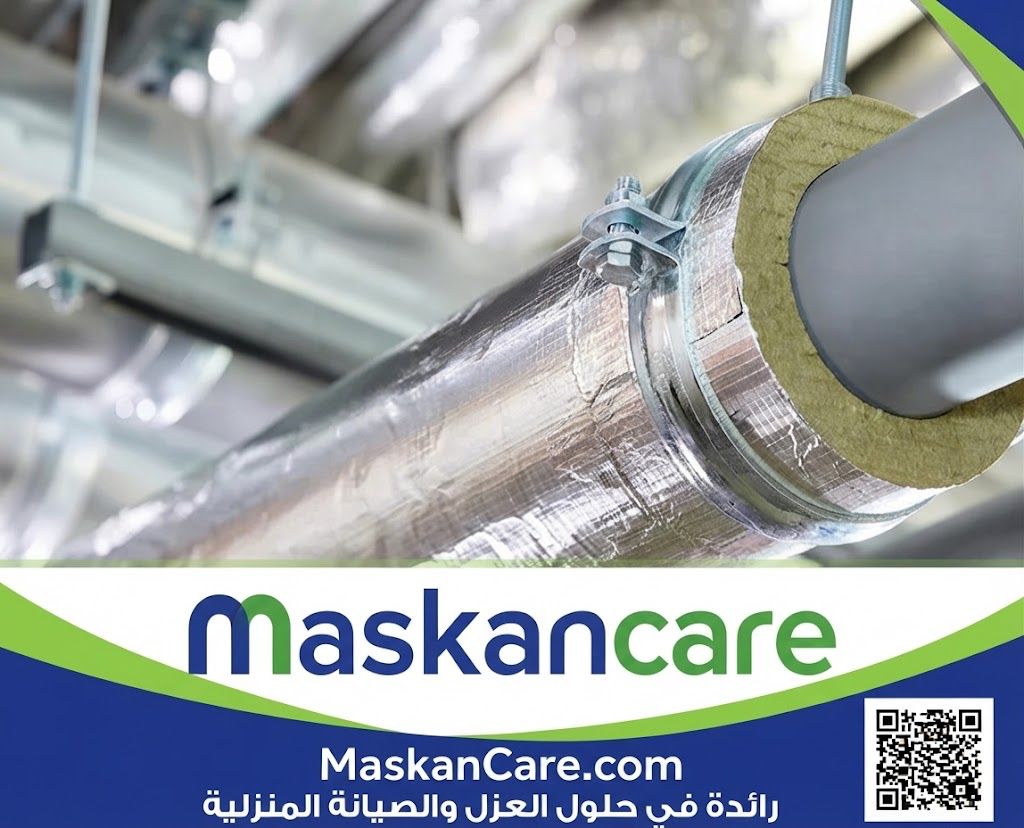
Foam insulation is lightweight and relatively easy to install around many types of pipes. Suitable types can be used in various thermal insulation applications to reduce heat transfer and protect pipes from surrounding conditions.
Its flexibility can also make it practical for installations involving bends and different pipe configurations.
Rock Wool
Rock wool is used in insulation applications that require suitable thermal insulation properties. It can also withstand high temperatures in applications where the material is appropriate.
It may be suitable for certain large-scale projects or installations requiring additional insulation and protection layers. However, the material should always be selected according to the site conditions and project requirements.
Therefore, it is not accurate to say that one material is always better than the other. The right choice depends on pipe type, temperature, installation location, exposure to weather conditions, and project requirements.
Can Old Water Pipes Be Insulated?
Yes, old pipes can often be insulated, but this depends on their condition.
Before installing insulation, the pipes should be inspected for serious damage, leaks, corrosion, or other issues that may require repair. The external surface should also be cleaned and properly prepared before the insulation is installed.
If a pipe requires repair, it is better to complete the repair first and then install the insulation. This prevents the insulation from simply hiding an existing problem and allows it to serve as part of a complete pipe protection solution.
Materials Used for Water Pipe Insulation
The insulation material is selected according to the application, pipe location, and required performance. Materials that can be used in water pipe insulation applications include:
-
Insulation Foam: Used in many thermal insulation applications for pipes. It is lightweight and relatively easy to install.
-
Rock Wool: Suitable for certain applications requiring high-temperature resistance and can also provide sound insulation properties.
-
Expanded Polyethylene: A flexible material that can be used around different pipe types when the appropriate size and specification are selected.
-
Insulation Tape: Used for certain joints, gaps, and details to help improve the continuity of the insulation layer.
-
Polyurethane: Can be used in specific thermal insulation applications according to project requirements.
-
Protective Jackets: Installed over insulation materials to protect them from sunlight, dust, moisture, and other external factors, especially on exposed pipes.
The choice of material should not be based on the name alone. Product specifications, installation method, expected operating conditions, and exposure to weather should all be considered.
Benefits of Water Pipe Insulation Against Heat
Thermal insulation can provide several practical benefits, especially when it is installed correctly and is appropriate for the application.
Maintaining Water Temperature
Insulation helps reduce heat transfer between the pipes and their surroundings. This is particularly important for hot-water lines where maintaining water temperature during transportation is desirable.
Reducing the Effect of External Heat
Pipes installed outdoors are more exposed to heat and sunlight. A suitable insulation layer can reduce their direct exposure to external temperature.
Reducing Condensation in Suitable Applications
When cold-water pipes operate in a warm and humid environment, condensation may form on their external surfaces. Properly designed insulation can help reduce this phenomenon.
Providing Additional Pipe Protection
Insulation, especially when combined with a suitable protective outer layer, can provide additional protection against certain external factors, physical contact, dust, and sunlight.
Reducing Maintenance Requirements
Proper pipe protection may help reduce certain problems associated with environmental exposure and may therefore reduce the need for repeated maintenance. However, insulation does not prevent every possible type of pipe failure.
Improving Water System Efficiency
When heat loss is reduced in systems where temperature retention is important, hot-water distribution can become more efficient, particularly in systems where water travels through longer pipe runs.

Water Pipe Insulation Process
The exact installation process may vary from one project to another, but professional insulation generally begins with inspection and does not end simply by placing insulation around the pipes.
1. Site Inspection
The pipe layout is inspected to determine where the pipes are installed, whether on rooftops, inside service areas, or in exposed locations.
2. Selecting the Insulation Type
After inspection, the appropriate insulation material is selected according to the pipe type and surrounding conditions.
3. Checking Pipe Condition
The pipes are checked for visible leaks, damage, corrosion, or other problems before insulation begins.
4. Cleaning and Preparing the Pipes
Cleaning the external pipe surface helps prepare it for proper insulation installation.
5. Installing the Insulation
The insulation material is installed around the pipes while paying close attention to joints, bends, connections, and areas where gaps could reduce insulation performance.
6. Adding an External Protective Layer
For pipes installed outdoors, an additional protective layer may be required to protect the insulation from weather conditions.
7. Final Inspection
After installation, the insulated sections are checked to make sure the required areas are properly covered and that there are no exposed points or gaps that could affect the result.
How Much Does Water Pipe Insulation Cost?
There is no single price that applies to every water pipe heat insulation project because the final cost depends on the nature and size of the work.
Important factors that can affect the cost include:
-
Total length of the pipes requiring insulation.
-
Pipe type and material.
-
Pipe diameter.
-
Pipe location and accessibility.
-
Type of insulation material.
-
Required insulation thickness.
-
Pipe condition before installation.
-
Any required repair or preparation work.
-
Whether an external protective layer is required.
-
Number of pipes, connections, and bends.
-
Type of property, whether residential, commercial, or a larger facility.
For this reason, providing an exact price without knowing the project details may be inaccurate. A proper assessment of the site is preferable before determining the work requirements and final cost.
Why Choose MaskanCare for Water Pipe Insulation?
Choosing an insulation company should depend on the quality of the work and installation process rather than marketing claims alone. At MaskanCare, we focus on understanding the problem first and then determining the most appropriate solution.
We handle each project according to the site conditions, pipe type, and level of exposure to heat and weather. We also pay attention to pipe preparation before insulation and inspection after the work is completed, because the quality of the final result depends on the entire installation process rather than the insulation material alone.
We also provide related building protection and insulation services. If there is a suspected leak in the water network, leak detection services can be useful before insulation is installed. Repairing leaks first helps prevent existing problems from being hidden beneath the insulation layer.
Do You Provide Insulation Services for Homes and Buildings?
Yes. Water pipe insulation services can be provided for residential and commercial properties depending on the site requirements.
A house may require insulation for water pipes installed on the rooftop, while a commercial or industrial facility may require broader solutions involving multiple water lines and different pipe routes.
In each case, the installation method is determined according to the site assessment, pipe characteristics, and environmental conditions.
Tips for Maintaining Water Pipe Insulation
After insulation is installed, several practices can help maintain its condition for a longer period:
-
Inspect the insulation periodically, especially for pipes installed on rooftops.
-
Repair any exposed or damaged section of the insulation.
-
Avoid removing protective covers from exposed pipes without replacing them when necessary.
-
Repair water leaks as soon as they appear rather than leaving them untreated.
-
Avoid continuous pressure or friction against the insulation layer.
-
Inspect joints and bends because these areas require special attention during installation.
-
Reassess the insulation if the building's usage changes or new pipe extensions are added.

Contact the Best Water Pipe Insulation Company
If your water pipes are exposed to direct sunlight or high temperatures, suitable insulation can be a practical step toward protecting the water network and reducing the impact of external conditions.
At MaskanCare, we can help assess the condition of your pipes and determine an appropriate insulation solution based on their location, condition, and intended use rather than relying on one insulation type for every situation.
You can contact us at 00201130495851 or reach us through WhatsApp using the same number to inquire about the service and provide details about your property when needed.
The purpose of insulation is not simply to cover the pipes. It is to provide suitable protection that can help improve system efficiency and reduce the impact of heat and external factors while taking the pipe condition and installation environment into consideration.
Conclusion
Water pipe insulation against heat is an important solution for pipes exposed to high temperatures or direct sunlight, particularly when they are installed on rooftops or in open areas. Selecting the right insulation material and installing it correctly can help reduce heat transfer, protect pipe surfaces, and improve the efficiency of water lines where insulation is appropriate.
Pipe insulation should not be viewed simply as a layer placed around a pipe. A successful insulation project begins with inspecting the pipes and addressing existing problems, followed by selecting the appropriate material, installing it carefully, and adding an external protective layer when necessary.
With MaskanCare, you can request an assessment of your water pipes and determine the insulation requirements before starting the work, helping you choose a solution that suits your home or building and the specific needs of your water network.