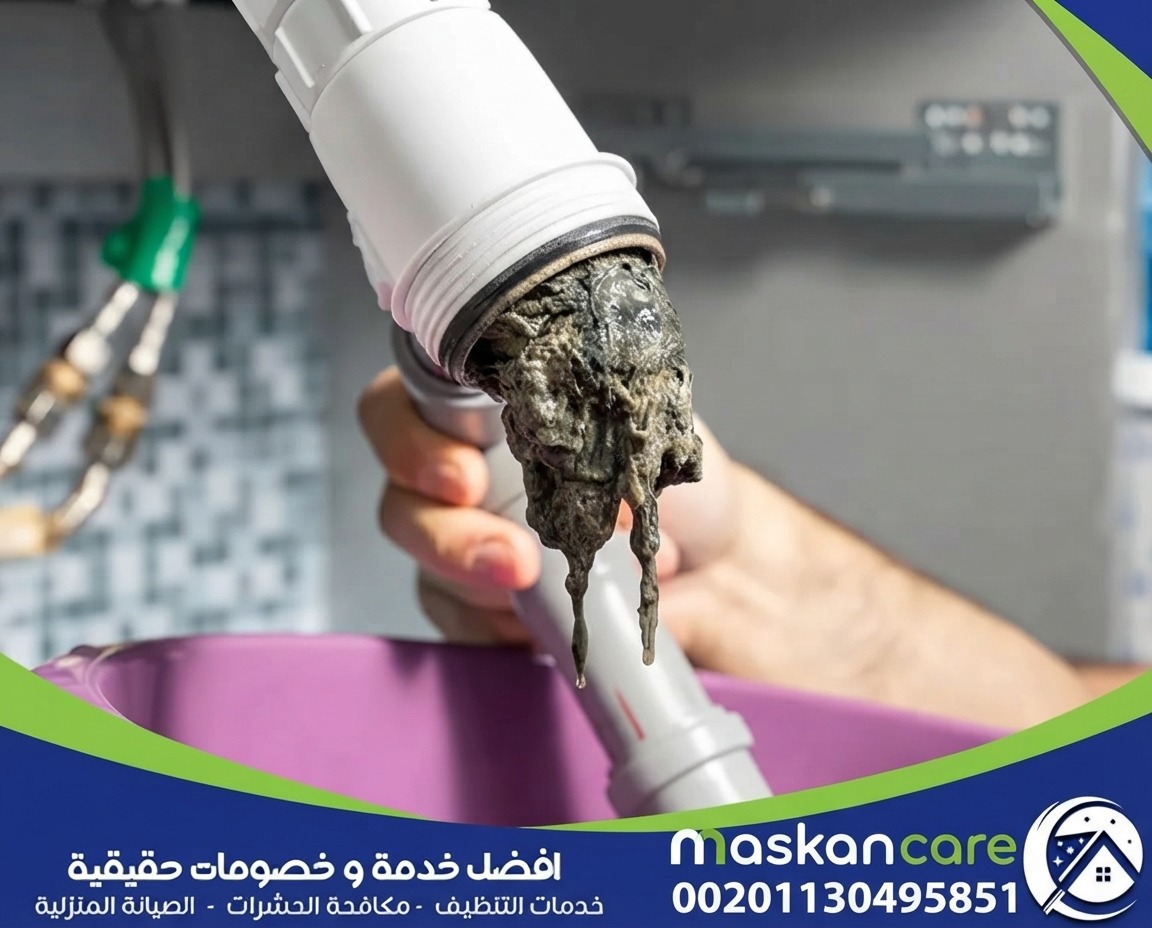
Methods for unclogging kitchen drains 00201130495851 خدمة سريعة وبأرخص الأسعار
Learn about the best ways to unclog kitchen drains to deal with blockages, grease, and food scraps, with an explanation of the appropriate tools, effective home methods, and important tips to keep drain pipes clean and prevent recurring blockages.
Kitchen Drain Unclogging Methods
Kitchen drain blockages are among the common problems faced by many homes and businesses. Since the kitchen sink is used every day, food leftovers, grease, oils, detergents, and other materials can gradually enter the drainage pipes and accumulate over time. What starts as a minor blockage, such as slow drainage, can eventually become a serious problem that prevents water from flowing normally.
There are several kitchen drain unclogging methods that can be used depending on the location and severity of the blockage and the type of materials accumulated inside the pipes. In simple cases, hot water or a rubber plunger may be enough, while deeper blockages may require specialized tools and professional equipment.
One of the simplest methods is using hot water to help loosen grease and light deposits. A rubber plunger can also create pressure that helps move the blockage through the pipe. In some cases, a drain snake can be used to reach deeper buildup and remove or break it apart.
However, if the blockage keeps coming back or is accompanied by strong unpleasant odors or water backing up into the sink, the problem may be deeper than a simple blockage. In such cases, it is better to contact a professional who has the right equipment to identify the cause and deal with the problem properly.
For professional assistance, you can benefit from the services of Maskan Care – Drain Unclogging Company in Dammam, which provides solutions for unclogging and cleaning drainage lines using suitable methods and equipment.
Book a drain unclogging service in Saudi Arabia with a 30% discount!
Contact maskancare to get professional pressure drain cleaning and suitable solutions for drainage problems.
Call us: 00201130495851
WhatsApp: +00201130495851
What Are the Signs of a Blocked Drain That Require Contacting a Drain Unclogging Company?
There are several clear signs that indicate a kitchen drain may be developing a problem that requires attention. One of the most common signs is slow water drainage from the sink. The water may initially drain slightly slower than usual, but the problem can become worse over time.
Another common sign is the appearance of unpleasant odors coming from the drain, especially when the smell continues even after cleaning the sink. This can be caused by food particles, grease, and organic materials accumulating inside the drainage pipes.
You may also hear unusual sounds while water is draining, such as bubbling or gurgling. These sounds can indicate trapped air caused by an obstruction inside the drainage line.
In some cases, water may begin to back up into the kitchen sink after turning on the faucet or using the dishwasher. This is an important warning sign that should not be ignored.
If the problem continues to return despite trying simple home methods, there may be a deeper buildup or an issue affecting part of the drainage system. In such cases, professional services such as Drain Unclogging Company in Jubail can help deal with blockages and clean drainage lines according to the condition of the system.
Common Causes of Kitchen Drain Blockages

Common Causes of Kitchen Drain Blockages
Understanding the cause of a blockage is very important when choosing the right solution. Trying to unclog a drain without knowing what caused the problem may only provide a temporary result.
One of the most common causes is the accumulation of grease and cooking oils inside drainage pipes. When oil or grease is poured down the sink, it may appear to disappear with the water, but some of it can stick to the inner walls of the pipe. Over time, repeated disposal of grease can create a thick layer that reduces the space available for water to flow.
Food waste is another major cause of kitchen drain blockages, particularly when small pieces of rice, vegetables, food peels, or other leftovers enter the drain without a proper strainer. These materials can combine with grease and form a blockage.
The problem may also be caused by small objects accidentally falling into the sink or by old deposits accumulating inside the pipes. In some buildings, the drainage system itself may be old, causing deposits to build up and reduce drainage efficiency.
Another possible cause is an issue with the slope of the pipes or improper installation of one of the drainage components. In such situations, water may not flow efficiently, allowing deposits to accumulate more quickly.
For this reason, kitchen drain unclogging methods vary from one situation to another. There is no single method that works for every type of blockage. A blockage close to the sink opening requires a different approach from one located deep inside the drainage line.
When the location of the blockage is unclear, specialized inspection equipment can be used to identify the problem before starting the unclogging process.
In coastal cities, professional services such as Drain Unclogging Company in Khobar are available to deal with drainage problems and remove accumulated grease and deposits using appropriate techniques.
What Methods Do Drain Unclogging Companies Use to Solve Blockages?
Drain cleaning companies use several methods depending on the condition of the pipe and the type of blockage. In some cases, mechanical tools such as drain snakes or flexible augers can be used to reach the blockage and break up accumulated materials.
For blockages caused by grease and deposits accumulated over longer sections of the pipes, high-pressure water equipment may be used to clean the inner walls of the drainage lines and remove buildup.
When the location of the problem is difficult to determine, pipe inspection cameras can be used to see inside the drainage system and identify the exact location of the blockage without unnecessary breaking or dismantling.
The appropriate drain unclogging method depends on several factors, including the location of the blockage, pipe diameter, type of buildup, and the overall condition of the drainage system.
Kitchen Drain Unclogging Methods
Essential Tools for Effective Kitchen Drain Unclogging
There are several tools that can be used to deal with kitchen drain blockages. However, it is important to understand what each tool is designed for and when it should be used, because using the wrong tool may not solve the problem.
-
Rubber Plunger (Plunger): One of the simplest tools for dealing with blockages near the sink opening. It creates pressure that can help move water and materials causing the blockage through the pipe.
-
Drain Snake: A flexible tool designed to reach blockages located farther inside drainage pipes. Depending on the type of blockage, it can help break up accumulated materials or pull them out.
-
Water Pressure Pump: Used when stronger pressure is required to clean pipes from grease and deposits. It should be operated properly to avoid causing damage to the drainage system.
-
Wet/Dry Vacuum: In some situations, this can be useful for removing water and nearby debris from the drain opening. However, it is not a solution for every type of blockage.
-
Pipe Inspection Camera: Helps inspect the inside of drainage pipes and determine the location of a problem, particularly when blockages are recurring or the cause is unclear.
-
Drain Strainer and Cleaning Tools: These tools help remove food particles and materials that accumulate around the drain opening before they enter the pipes.
Chemical drain cleaners should be handled with extreme caution. Always read and follow the manufacturer's instructions before using them, as some products may be too aggressive for certain types of pipes or may release harmful fumes if used incorrectly. Different cleaning chemicals should never be mixed together.
Using the right tools can solve many simple blockages. However, when the problem is deep or keeps returning, it is better not to repeatedly rely on random home solutions. Instead, a professional should inspect the system and determine the actual cause.
You can also combine drain unclogging services with water system inspection if you suspect a leak. Maskan Care – Water Leak Detection in Dammam provides inspection services that can help identify water-related problems before they become more serious.

How Often Should I Maintain My Drains to Prevent Future Blockages?
There is no single maintenance schedule that works for every home because the rate at which grease and deposits accumulate depends on the number of people using the kitchen, daily cooking habits, amount of water usage, and condition of the drainage system.
However, it is better to monitor kitchen drains regularly rather than waiting until a complete blockage occurs. Homes that experience recurring drainage problems may require more frequent cleaning than homes where the drainage system operates normally.
Commercial kitchens and restaurants generally require greater attention because they handle larger amounts of water, grease, oils, and food waste compared with ordinary household kitchens.
Regular maintenance helps identify buildup at an early stage and reduces the possibility of a small drainage problem developing into a major blockage that requires emergency intervention.
Simple Home Methods for Unclogging Kitchen Drains
Simple Home Methods for Unclogging Kitchen Drains
Before contacting a professional, you can try several simple home methods if the blockage is minor and there are no signs of a major drainage system problem.
1. Using Hot Water
Hot water is one of the simplest methods to try, especially when the blockage is related to grease buildup. Pour hot water gradually into the drain while monitoring how quickly the water begins to flow.
Avoid using extremely boiling water in certain types of pipes or plumbing fixtures that may be affected by high temperatures. Always consider the type of pipes installed in your home.
2. Using a Rubber Plunger
Place the plunger over the drain opening and make sure there is a good seal. Move the plunger up and down several times. The pressure created can help move a blockage located near the sink.
This method is usually more effective for simple blockages rather than deep obstructions inside the drainage system.
3. Baking Soda and Vinegar
Baking soda and vinegar are commonly used as a home method for dealing with light residue. Place a suitable amount of baking soda into the drain, then add vinegar. After allowing the mixture to sit for some time, flush the drain with water.
This method may help with light residue and unpleasant odors, but it should not be considered a guaranteed solution for deep or severe blockages.
4. Salt and Hot Water
Salt combined with hot water can sometimes help deal with light grease and deposits. However, if the drain is completely blocked and water cannot pass through, this method alone is unlikely to solve the problem.
5. Using a Drain Snake
If the blockage is accessible, a drain snake can be used carefully. Insert it gradually into the pipe and try to loosen the obstruction rather than forcing it deeper into the drainage system.
6. Enzyme-Based Drain Cleaners
There are products that use enzymes to help break down certain organic materials inside drainage pipes. They can be used according to the manufacturer's instructions, particularly as part of regular drain maintenance rather than as a solution for severe blockages.
7. Water and Dish Soap
In some cases, liquid dish soap combined with warm water can help loosen grease located near the drain opening. This method can be more useful when the blockage is caused by a light accumulation of grease.
8. Cleaning the Sink Strainer
Sometimes the problem is not deep inside the pipe at all. A large amount of food waste may simply be trapped in the sink strainer. Removing and cleaning the strainer regularly can help prevent this material from entering the drainage system.
A blocked kitchen sink is one of the common household problems that can be reduced through simple habits, such as avoiding pouring oils into the sink, using an appropriate drain strainer, and removing food waste from dishes before washing them.
It is also important not to rely on home methods repeatedly if the blockage returns after a short period, because recurring blockages may indicate deeper buildup inside the drainage line.
Best Way to Unclog a Kitchen Sink ultimately depends on the cause and location of the blockage. Therefore, not every drainage problem should be treated in exactly the same way.
Customers in inland areas can also benefit from Water Leak Detection Services in Al Ahsa when there is a possibility that a drainage problem is connected to a leak or another issue within the water system.

When Are Home Kitchen Drain Unclogging Methods Not Enough?
Some blockages can be resolved using a simple home method, but there are certain signs that indicate the problem requires professional inspection.
If the sink fills with water and does not drain, or if the water starts backing up again shortly after the drain has been unclogged, the blockage may be located deeper inside the pipes.
Persistent unpleasant odors are another warning sign. If water backs up from more than one drain in the home, the problem may not be limited to the kitchen sink and could instead involve a shared drainage line.
Recurring blockages are also an important warning sign. If the sink is unclogged and the same problem returns after only a few days or weeks, it is better to inspect the drainage pipes rather than continue relying on temporary solutions.
In such cases, specialized equipment can help determine the location of the blockage and identify the type of buildup, allowing the appropriate unclogging method to be selected.
The Importance of Regular Kitchen Drain Cleaning
Drain cleaning is not only about fixing a blockage after it occurs. It can also be part of preventive maintenance that helps keep the drainage system working properly for longer.
Regular cleaning reduces the amount of grease and residue inside the pipes and helps identify changes in water drainage speed before they develop into a complete blockage.
This is particularly important for kitchens that are used heavily, such as restaurants and commercial kitchens, where larger amounts of grease and food waste are produced compared with normal household use.
Keeping drains clean can also help reduce unpleasant odors caused by organic materials accumulating inside drainage lines.
Tips for Preventing Kitchen Drain Blockages
There are several simple habits that can reduce the possibility of kitchen drain blockages, including:
-
Do not pour cooking oils or grease down the kitchen sink.
-
Use a suitable drain strainer to prevent food particles from entering the pipes.
-
Clean the sink strainer regularly.
-
Remove food waste from dishes before washing them.
-
Do not dispose of tissues or solid materials through the drain.
-
Clean the sink and drain regularly.
-
Pay attention to slow drainage and do not ignore it.
-
Deal with persistent drain odors instead of simply covering them with air fresheners.
-
Never mix different chemical cleaning products.
-
Avoid using strong tools incorrectly inside the drainage pipes.
-
Have the drainage system inspected when blockages keep returning.
-
Schedule professional cleaning for commercial kitchen drainage systems when necessary.
These habits cannot guarantee that a drain will never become blocked, but they can significantly reduce common causes of blockages and help identify drainage problems at an early stage.

Book a Kitchen Drain Unclogging Service
If you are experiencing slow water drainage, a blocked kitchen sink, or recurring unpleasant odors from the drainage system, it is better not to wait until the problem becomes worse.
Maskan Care provides professional drain unclogging services for homes and businesses, with suitable methods and equipment selected according to the condition of the drainage system.
Book your kitchen drain unclogging service today and ask about the available discount.
Phone: 00201130495851
WhatsApp: +00201130495851
Conclusion
There are several kitchen drain unclogging methods that can be used depending on the severity of the blockage, starting with hot water and a rubber plunger and extending to drain snakes, water pressure equipment, and pipe inspection tools.
However, the most important part is not only removing the blockage but also understanding what caused it. Cleaning the drain without addressing the underlying cause may allow the problem to return again.
Avoiding the disposal of grease, oils, and food waste down the kitchen sink is one of the most important preventive measures. Regular drain cleaning and monitoring any changes in water drainage speed can also help maintain the system.
When the blockage is deep, recurring, or accompanied by water backup and strong odors, contacting a professional is usually the better option. A specialist can identify the actual problem and select an appropriate unclogging method while reducing the risk of damaging the drainage system.