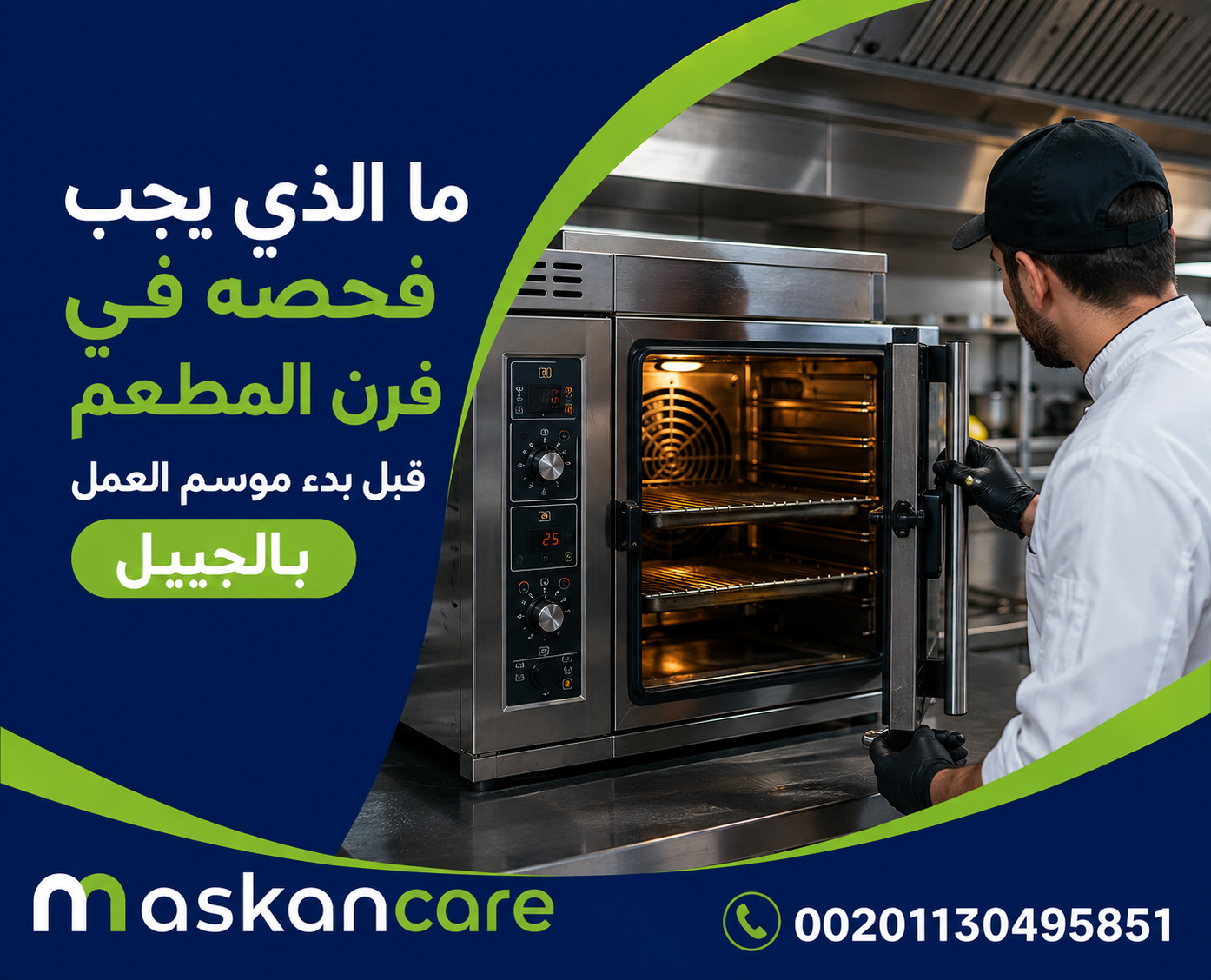
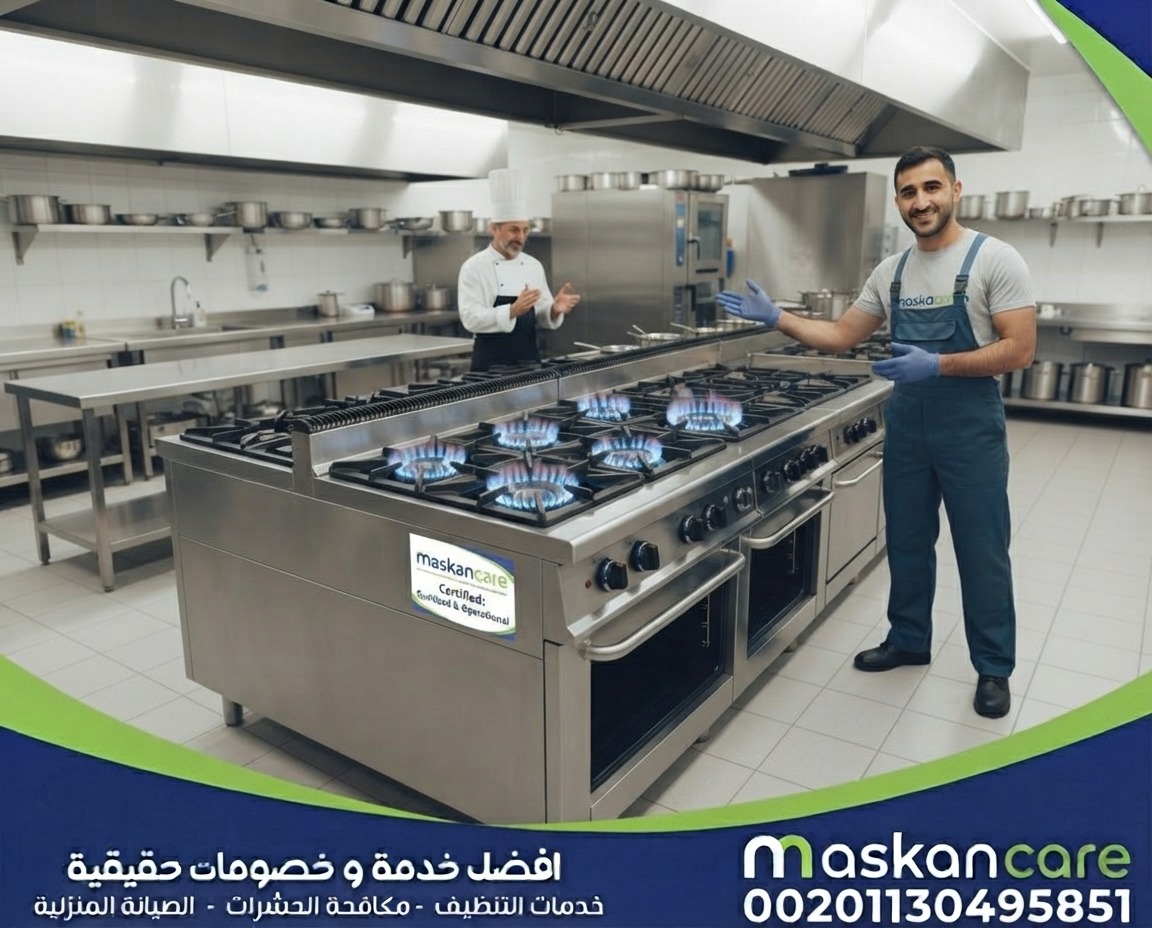
Restaurant Oven Cleaning in Al Nuayriyah – Maintaining Clean Cooking Equipment 00201130495851 خدمة سريعة وبأرخص الأسعار
Learn about the importance of restaurant oven cleaning in Al Nuayriyah, the causes of grease and food residue buildup, and effective cleaning and maintenance practices for keeping cooking equipment clean, organized, and efficient.
Restaurant Oven Cleaning in Al Nuayriyah – Maintaining Clean Cooking Equipment
The oven is one of the most frequently used pieces of equipment in restaurants and commercial kitchens. Because of its daily use, it is constantly exposed to grease, oils, food residue, sauces, and cooking deposits. When a commercial oven operates for long hours every day, small amounts of residue can gradually turn into visible layers that are much harder to remove through routine wiping.
In Al Nuayriyah, restaurants, kitchens, and food-service facilities that rely on daily cooking need to pay regular attention to the cleanliness of their equipment, especially because of the continuous nature of commercial kitchen operations and the heavy workload during busy periods. A clean oven is not only about appearance. It can contribute to a more organized working environment, reduce odors caused by accumulated food and grease, and make it easier for kitchen staff to monitor the condition of the equipment.
The problem may begin when food particles fall onto the oven floor or when grease splashes onto the internal walls, door, and other surfaces. If these residues are not removed at the appropriate time, repeated exposure to heat can make them more firmly attached and much more difficult to clean. Over time, layers may form around hard-to-reach areas such as corners, edges, and door joints.
For this reason, restaurant oven cleaning in Al Nuayriyah should follow an organized approach suitable for commercial use. Cleaning an oven in a restaurant that operates for many hours is different from cleaning a household oven used for short periods. The type of food prepared also affects the nature of the grease and residue that accumulates.
This guide explains the main reasons restaurant ovens become dirty, the areas that require special attention, how the cleaning process can be organized, which mistakes should be avoided, and when using a professional cleaning team can be a practical option for restaurants and commercial kitchens in Al Nuayriyah.
Why Do Restaurant Ovens Need Regular Cleaning?
Commercial ovens usually experience much heavier use than most household ovens. In a restaurant, an oven may operate for several continuous hours, while its door may be opened and closed many times throughout the day as trays containing food, sauces, marinades, and grease are placed inside and removed.
With this level of use, it is normal for different types of residue to accumulate on the equipment.
Common substances that may build up inside an oven include:
-
Grease and oils.
-
Food residue.
-
Burned sauces.
-
Food crumbs.
-
Marinade residue.
-
Splashed cooking grease.
-
Deposits on racks.
-
Residue around the door.
-
Smoke and cooking deposits.
When these materials remain for a long time, cleaning becomes more difficult. Repeated exposure to high temperatures can make grease stick more firmly to surfaces, meaning that simple wiping may no longer be enough.
For this reason, oven cleaning should be included in a clear restaurant hygiene schedule, with daily, weekly, and deeper cleaning tasks determined according to the oven's usage and condition.

How Can Accumulated Grease Affect a Restaurant Oven?
Some people may consider grease inside an oven to be mainly a visual issue, but long-term buildup can affect the working environment and the way the kitchen equipment is maintained.
When grease and food residue accumulate near heat sources, strong odors may develop during operation. Burned residue can also produce smoke or unpleasant smells when temperatures rise.
Heavy buildup can also make inspection and cleaning more difficult because old layers may hide certain areas or make it harder to notice conditions around different parts of the equipment.
For this reason, oven cleaning should not be treated as a cosmetic task. It should be considered part of regular commercial kitchen maintenance.
Areas Where Grease Commonly Accumulates Inside an Oven
Grease does not necessarily spread evenly throughout an oven. Some areas are more exposed because of the oven's design and how it is used.
Oven Floor
The oven floor is one of the main areas where food particles, sauces, and grease can fall from trays.
When exposed to high heat, these residues may dry and become hard layers that require proper cleaning rather than ordinary wiping.
Internal Walls
Grease can splash onto the internal walls during cooking, especially when preparing meats or foods containing higher amounts of fat.
Repeated operation can gradually create a noticeable layer on these surfaces.
Oven Door
The oven door is often overlooked even though it is continuously exposed to steam and grease.
Residue can collect around edges, joints, and areas near the glass, making careful cleaning important.
Racks and Trays
Racks come into direct contact with food and can therefore collect burned residue and grease.
Regular cleaning makes racks easier to maintain and keeps the cooking area more organized.
Edges and Corners
Narrow corners can be among the most difficult areas to clean, particularly when grease has been allowed to accumulate for a long period.
This is why appropriate tools and a systematic approach are important instead of cleaning only the easiest visible surfaces.
How Is Restaurant Oven Cleaning in Al Nuayriyah Different?
Restaurants in Al Nuayriyah do not all have the same cleaning requirements, so their oven-cleaning needs can vary from one facility to another.
A bakery may deal with more flour, dough, sugar, and dry ingredient residue, while a restaurant specializing in meat or grilled food may experience a different type of grease buildup.
Cleaning requirements also depend on operating hours, the number of meals prepared, oven size, and the number of ovens used in the kitchen.
A small restaurant using one oven may therefore need a different cleaning schedule from a central kitchen with several ovens operating throughout the day.
For this reason, the cleaning program should be based on actual usage rather than applying exactly the same schedule to every commercial kitchen.
Cleaning Ovens According to the Type of Food
The food prepared in a restaurant has a direct effect on the type of residue that accumulates.
Bakery Ovens
Flour, dough, sugar, and dry ingredients may accumulate inside the oven, along with grease from certain baked products.
Meat Ovens
Grease and cooking deposits from meat can be more noticeable and may spread across walls and racks at high temperatures.
Pizza Ovens
Cheese, sauces, dough residue, and grease from toppings can accumulate inside the oven.
Chicken Ovens
Grease and marinades may collect on internal surfaces, particularly when the oven operates for long periods.
Multi-Purpose Ovens
These require continuous attention because the type of residue can change from one meal to another.
This is why restaurant oven cleaning in Al Nuayriyah should be adapted to the actual kitchen operation rather than following a completely fixed cleaning routine.
When Does a Restaurant Oven Need Deep Cleaning?
Certain signs indicate that routine cleaning is no longer enough.
These signs can include:
-
A strong odor when the oven is operating.
-
Unusual smoke.
-
Visible layers of grease.
-
Burned food residue.
-
Surfaces that are difficult to clean through ordinary wiping.
-
A dirty door or edges.
-
Grease buildup on racks.
-
Old residue in corners.
-
Repeated food particles falling inside the oven.
-
A noticeable change in the appearance of internal surfaces.
When these signs appear, it is better not to postpone cleaning for a long time because heavy buildup becomes more difficult to remove later.
The Difference Between Daily Cleaning and Deep Cleaning
One common mistake is relying only on daily cleaning.
Daily Cleaning
Daily cleaning aims to remove fresh residue and prevent it from accumulating.
It may include:
-
Removing food residue.
-
Cleaning visible surfaces.
-
Wiping the door.
-
Cleaning racks when necessary.
-
Removing crumbs.
-
Dealing with fresh grease.
Deep Cleaning
Deep cleaning focuses on deposits that were not removed during routine cleaning.
It may include attention to:
-
Corners.
-
Edges.
-
Racks.
-
Internal walls.
-
Oven floor.
-
Areas around the door.
-
Suitable exterior surfaces.
The purpose is to restore a better level of cleanliness rather than replace daily cleaning.

How Can Restaurant Ovens Be Cleaned Systematically?
The exact method depends on the type of oven and the manufacturer's instructions, but a good process normally begins after confirming that the oven is in an appropriate condition for cleaning.
Turn Off the Equipment
The oven should be handled according to the kitchen's safety procedures, and the equipment should be in a suitable condition before cleaning begins.
Remove Removable Parts
When the design allows it, racks, trays, and other removable components can be taken out and cleaned separately.
Remove Loose Residue
Removing larger pieces of food before applying cleaning products helps reduce mess during the process.
Treat Grease Buildup
An appropriate cleaning method should be selected according to the surface and type of residue while following product instructions.
Clean the Door and Edges
These areas require special attention because grease can accumulate around them and may not always be immediately visible.
Clean the Racks
Cleaning racks separately makes it easier to remove residue between their surfaces and around their corners.
Remove Cleaning Residue
Product instructions should be followed carefully, including any requirements for removing cleaning material before the equipment is returned to operation.
Reassemble and Inspect
After cleaning, removable parts should be returned to their correct positions and the oven should be checked before operation according to the appropriate procedures.
Why Should Random Cleaning Products Be Avoided?
Not every cleaning product is suitable for every oven.
Some cleaners contain strong ingredients that may not be appropriate for certain surfaces or components. Using an unsuitable product near sensitive parts can create problems unrelated to grease removal.
For this reason, the oven type and surface materials should be considered before selecting a cleaning product.
Different cleaning products should also not be mixed, as mixing them can result in unwanted or unsafe reactions.
Cleaning Commercial Oven Doors
The oven door deserves special attention because it is frequently exposed to grease and steam.
Residue may collect:
-
Around the edges.
-
Near hinges.
-
On the exterior surface.
-
On the glass.
-
Inside gaps.
Regular door cleaning improves the appearance of the oven and helps kitchen staff monitor cooking more clearly when the equipment has a glass door.
Harsh handling of the glass should be avoided, as should tools that could scratch it.
Cleaning Oven Racks and Trays
Racks and trays are among the components most directly exposed to food.
They may develop layers of grease, sauce residue, and burned material. Leaving these deposits for long periods makes later cleaning more difficult, so they should be handled regularly.
In kitchens that use many trays, cleaning can be organized so that equipment is cleaned after use when this fits the kitchen's workflow and safety procedures.
Why Should the Outside of the Oven Be Cleaned?
The internal area may be the main priority, but exterior surfaces also require attention.
Grease can collect on:
-
Doors.
-
Handles.
-
Oven sides.
-
Control panels.
-
Areas near the oven.
These areas are frequently touched by staff, so cleaning them contributes to a more organized working environment.
Control panels and electrical components should be handled carefully, and water should not be applied in a way that could reach sensitive parts.
Cleaning Ovens in Restaurants That Operate for Long Hours
Restaurants that operate throughout the day face a different challenge.
It may not be practical to stop an oven for a long period during service, so cleaning should be scheduled during times that fit the restaurant's workflow.
Tasks can be divided between quick cleaning after operating periods and deeper cleaning during maintenance windows or quieter hours.
The important point is not to allow workload pressure to cause the oven to remain uncleaned for weeks or months.
Does Oven Cleaning Affect Operational Efficiency?
A clean oven can help kitchen staff work in a more organized environment.
When surfaces are relatively free from heavy buildup, it becomes easier to identify unusual conditions, leaks, or other changes around the equipment.
Removing accumulated food residue can also reduce odors caused by those deposits during operation.
However, cleaning should not be considered a substitute for technical maintenance. If staff notice heating or operational problems, those should be treated as technical issues requiring appropriate inspection.
Why Is Oven Cleaning Important for the Overall Kitchen Environment?
Commercial kitchens require a high level of organization and cleanliness.
The oven is an important part of this environment, and neglecting it can make the kitchen look poorly maintained even when other areas are clean.
Grease buildup around cooking equipment can also make later cleaning more difficult, especially when grease spreads onto nearby floors and surfaces.
For this reason, oven care should be included as part of the restaurant's broader cleaning program.

Cleaning Restaurant Ovens Before Inspections
Cleaning should not be connected only to an inspection or unexpected visit.
Regular maintenance helps keep the restaurant prepared at all times.
Instead of allowing grease to accumulate and then carrying out a large cleaning operation under time pressure, the restaurant can establish a schedule that clearly identifies responsibilities and deep-cleaning dates.
This makes cleanliness an ongoing operational practice rather than a temporary reaction.
How to Choose a Restaurant Oven Cleaning Company in Al Nuayriyah
When looking for restaurant oven cleaning in Al Nuayriyah, price should not be the only factor.
Several questions can be considered before booking a service.
Does the Company Have Commercial Kitchen Experience?
Cleaning a restaurant oven differs from cleaning a household oven, so it is useful to choose a team familiar with commercial equipment.
Does the Service Address Grease Buildup?
It is important to know whether the service is designed to deal with old buildup rather than simply remove visible surface dirt.
Are Exterior Areas Included?
A complete service should consider areas affected by daily use rather than focusing only on the internal cavity.
Are Post-Cleaning Instructions Provided?
It is useful to know whether any procedures are required before the oven is returned to operation.
Is the Service Suitable for the Restaurant?
A bakery has different cleaning requirements from a grill-focused restaurant, so the kitchen's actual use should be explained before service begins.
Common Mistakes When Cleaning Restaurant Ovens
Delaying Cleaning for Too Long
The more grease accumulates, the harder it becomes to remove.
Cleaning Only Visible Areas
Corners and edges may be dirtier than surfaces that are easy to see.
Using Harsh Tools
Some tools can scratch surfaces or damage certain components.
Using Unsuitable Products
A cleaner suitable for one surface may not be suitable for another.
Mixing Cleaning Products
Mixing different products can result in unsafe reactions.
Ignoring the Door
The door is one of the areas where grease commonly accumulates.
Neglecting Racks
Racks and trays require separate attention because they come into direct contact with food.
Cleaning Only When a Problem Appears
Regular cleaning is better than waiting until heavy buildup develops.
How Can Restaurants Keep Ovens Clean After Professional Cleaning?
Deep cleaning alone is not enough if it is not followed by a suitable routine.
Restaurants can introduce simple daily procedures such as:
-
Removing food residue after operation.
-
Cleaning fresh grease before it dries.
-
Wiping the door.
-
Cleaning racks when needed.
-
Avoiding leaving dirty trays inside the oven.
-
Checking corners regularly.
-
Monitoring unusual odors.
-
Scheduling deep cleaning.
Kitchen staff can also be trained to report unusual buildup instead of allowing it to develop into a larger problem.
Restaurant Oven Cleaning in Al Nuayriyah as Part of a Cleaning Schedule
A written cleaning schedule helps distribute responsibilities.
The schedule can be divided into three levels.
Daily Tasks
These focus on fresh residue and frequently used surfaces.
Weekly Tasks
These involve more detailed cleaning of racks, corners, and areas that are difficult to reach during normal operation.
Deep Cleaning
This can be scheduled according to the oven's usage, condition, and manufacturer instructions.
The goal is not to force the same cleaning frequency on every restaurant, but to create a schedule that reflects actual workload.
What Should Small Restaurants Do?
A small restaurant may operate a single oven, but that does not make cleaning less important.
If the oven runs for many hours and is used for greasy foods, buildup can develop quickly even in a small kitchen.
Therefore, usage level should be considered rather than relying only on the size of the restaurant.
What Should Large Restaurants and Central Kitchens Do?
Large kitchens may have multiple ovens and additional equipment, which requires more organization.
A staff member can be assigned to monitor cleaning, cleaning records can be maintained, and deep-cleaning dates can be scheduled.
This approach reduces the possibility of one oven being forgotten because of the number of machines in the kitchen.
Is Cleaning the Oven Alone Enough?
No.
The oven is only one part of the kitchen environment.
If there is heavy grease around the oven, an unclean exhaust hood, or oily floors, cleaning the oven alone will not make the entire kitchen clean.
Oven cleaning should therefore be part of a broader program covering:
-
Surfaces.
-
Exhaust hoods.
-
Floors.
-
Walls.
-
Equipment.
-
Storage areas.
-
Waste disposal areas.
Why Is Odor Control Important?
Unusual odors can result from accumulated food residue or grease.
These odors may become more noticeable when the oven reaches higher temperatures.
Instead of relying on air fresheners or solutions that merely hide the smell, the source should be identified and the accumulated residue should be removed.
If the odor continues after cleaning, the equipment may need additional technical inspection to determine whether another issue is present.
When Should a Restaurant Use Professional Cleaning Services?
A professional team may be useful when:
-
Grease has accumulated for a long period.
-
Certain oven areas are difficult to access.
-
The kitchen contains several ovens.
-
The ovens operate for many hours every day.
-
The facility needs deep cleaning.
-
Restaurant staff cannot perform the cleaning adequately.
-
Strong odors are associated with buildup.
-
Burned residue is present in several areas.
-
The restaurant wants professional cleaning without unnecessarily disrupting operations.
Professional cleaning can be particularly useful when buildup goes beyond normal daily cleaning.

Restaurant Oven Cleaning Offer in Al Nuayriyah
If you are looking for restaurant oven cleaning in Al Nuayriyah, you can contact maskancare to learn about the appropriate service based on the oven type, amount of buildup, and kitchen usage.
Offer included in the article:
Get an appropriate assessment of the oven's condition and identify the required cleaning needs, including the areas that need greater attention according to the way the equipment is used.
Depending on the situation, the service may include:
-
Inspecting the oven condition.
-
Removing food residue.
-
Treating accumulated grease.
-
Cleaning internal surfaces.
-
Cleaning the door and edges.
-
Cleaning racks and trays.
-
Cleaning suitable exterior areas.
-
Providing maintenance and cleanliness recommendations.
For bookings and inquiries: 00201130495851
WhatsApp: 00201130495851
maskancare – Cleaning Services for Kitchens and Commercial Facilities
Why Is Prevention Better Than Heavy Grease Buildup?
Regular cleaning saves restaurants considerable time and effort.
When grease is removed while it is still relatively fresh, it is generally easier to deal with than when it has become a hard layer.
Continuous monitoring also makes it easier for kitchen staff to identify changes in the condition of the oven.
The goal is not to clean the oven once and then neglect it. The goal is to maintain an appropriate level of cleanliness throughout the restaurant's operating period.
How Can Kitchen Staff Help Keep the Oven Clean?
Kitchen staff play an important role.
Even the best professional cleaning service cannot prevent new buildup if the equipment is neglected afterward.
Staff can be trained to:
-
Remove residue promptly.
-
Avoid leaving dropped food inside the oven.
-
Clean racks according to the schedule.
-
Report grease buildup.
-
Avoid using unknown cleaning products.
-
Follow the equipment's operating and cleaning instructions.
-
Keep the areas around the oven clean.
When these actions become part of the regular workflow, the pressure on deep-cleaning operations is reduced.
Oven Cleaning and Commercial Food-Service Kitchens
Oven cleanliness should not be separated from the rest of the kitchen.
If the cooking equipment is clean while floors and nearby surfaces contain grease, dirt can quickly return to the oven area.
For this reason, equipment cleaning should be coordinated with cleaning the surrounding areas.
Care should also be taken not to move grease from one area to another through the use of dirty tools or an ineffective cleaning sequence.
Why Is the Right Cleaning Time Important?
Choosing the right service time is important for restaurants.
Cleaning during peak service hours may disrupt kitchen operations, while scheduling the service during a quieter period can make the process easier to organize.
Restaurants can identify suitable times based on operating hours, while considering that the oven must be in an appropriate condition for cleaning according to its operating instructions.
This organization makes cleaning part of daily management instead of an unexpected burden on kitchen staff.
Can an Oven Be Cleaned While It Is Hot?
This should not be handled randomly.
The manufacturer's instructions and the safety procedures for the specific oven should be followed.
Some cleaning processes have specific temperature requirements, while others require the equipment to be in a different condition.
The important point is not to try to speed up the process at the expense of safety.
What Should Be Known Before Booking an Oven Cleaning Service?
It is useful to prepare several details before contacting a cleaning company:
-
Oven type.
-
Number of ovens.
-
Type of food prepared.
-
Daily operating hours.
-
How long it has been since deep cleaning.
-
Areas with the heaviest buildup.
-
Presence of unusual odors or smoke.
-
Preferred service time.
This information helps the cleaning team understand the situation and determine the most suitable approach.
Frequently Asked Questions About Restaurant Oven Cleaning in Al Nuayriyah
Why do restaurant ovens need regular cleaning?
Because they operate for long hours and are exposed to large amounts of food, grease, sauces, and marinades, residue naturally accumulates over time.
Can oven cleaning affect oven efficiency?
Cleaning helps maintain a better operating environment and removes buildup, but it is not a substitute for technical maintenance when the equipment has an actual fault.
How often should a restaurant oven be cleaned?
There is no single schedule for every restaurant. Frequency depends on usage, food type, grease levels, and oven design.
Can household cleaning products be used on restaurant ovens?
Some products may be suitable for specific surfaces, but the product must be confirmed as compatible with the oven and used according to instructions. Random products and mixed cleaners should be avoided.
Why does a strong smell appear when the oven is running?
It may be caused by accumulated grease or food residue exposed to heat. If the odor remains after cleaning, additional equipment inspection may be appropriate.
Is cleaning the oven door important?
Yes. The door is exposed to grease and steam, while edges and joints can collect residue over time.
Should oven racks be cleaned separately?
When the oven design allows it, cleaning racks separately is useful because they come into direct contact with food and may require a different cleaning approach.
Is cleaning the outside of the oven necessary?
Yes. Exterior surfaces, handles, and areas around the oven are exposed to frequent contact and grease and should be included in the cleaning program.
Does deep cleaning replace daily cleaning?
No. Deep cleaning deals with accumulated buildup, while daily cleaning helps prevent new deposits from developing.
Can several ovens be cleaned during the same service?
This may be possible depending on the number of ovens, their condition, the size of the service, and the amount of buildup.
What should I do if the oven is extremely dirty?
Avoid applying large amounts of cleaning chemicals randomly. It is better to assess the condition and determine an appropriate cleaning method.
Can oven cleaning eliminate odors?
Removing grease and food residue can reduce odors caused by buildup. If an odor continues after cleaning, further inspection may be necessary.
Can an oven be cleaned without disrupting restaurant operations?
The service can be scheduled at a suitable time according to operating hours and equipment conditions, but the exact arrangement depends on the restaurant and the number of ovens.
Why is daily wiping not enough?
Daily wiping removes fresh residue but may not eliminate older layers in corners, racks, and difficult-to-reach areas.
Is oven cleaning only the responsibility of restaurant staff?
Daily cleaning can be part of kitchen staff responsibilities, while heavy buildup or deep cleaning may require a professional team depending on the oven's condition.
Does cleaning method vary by oven type?
Yes. Oven design, surface material, operating method, and manufacturer instructions should all be considered.
Conclusion
Restaurant oven cleaning in Al Nuayriyah is an important part of maintaining a clean commercial kitchen and an organized working environment. Restaurant ovens are exposed every day to heat, food, grease, sauces, and marinades, and these materials can become difficult-to-remove layers when they are not handled regularly.
Oven cleaning should not focus only on internal walls. The oven floor, racks, trays, door, edges, and suitable exterior surfaces also require attention. The type of food and the frequency of oven operation play an important role in determining the level of cleaning required.
Restaurants in Al Nuayriyah should ideally use a system that combines daily cleaning, routine cleaning, and deep cleaning when needed. Removing fresh residue regularly reduces grease buildup, while deeper cleaning addresses areas that are difficult to reach during normal kitchen operations.
Restaurants should also avoid random cleaning chemicals or mixing different products. The cleaning method should be appropriate for the oven type and consistent with manufacturer instructions. If there is a technical problem such as poor heating or an operational fault, the issue should be treated separately from cleaning and inspected by an appropriate technician.
Restaurants that operate for long hours or use several ovens need a more organized cleaning schedule so that grease does not accumulate because of workload pressure. Responsibilities can be distributed among kitchen staff, while professional cleaning services can be used when buildup becomes too extensive for routine cleaning.
If you need restaurant oven cleaning in Al Nuayriyah and want to understand the service suitable for your oven, you can contact maskancare for further details and to assess the cleaning requirements.
For bookings and inquiries: 00201130495851
WhatsApp: 00201130495851