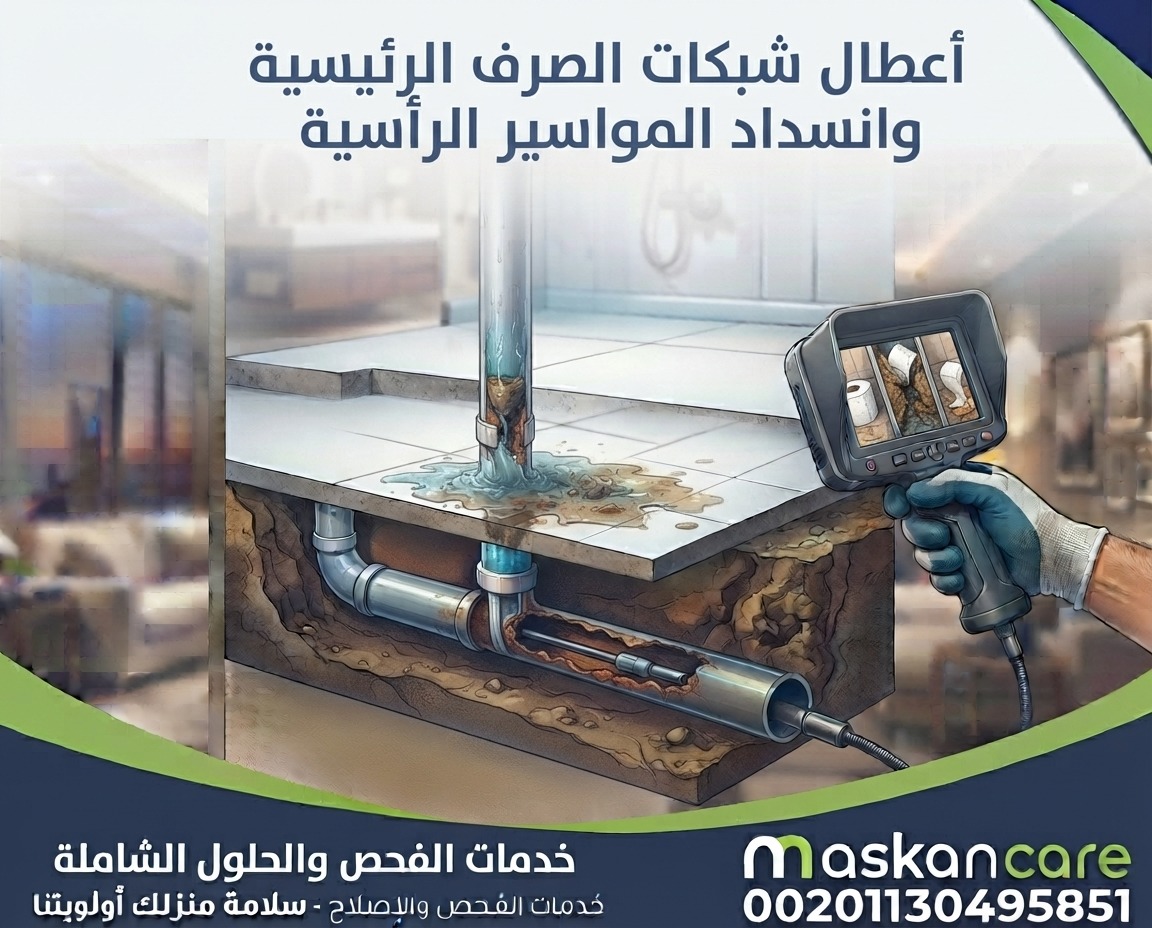
Sewer Drain Unclogging Company in Al Khafji – Effective Solutions for Drainage Blockages 00201130495851 خدمة سريعة وبأرخص الأسعار
Sewer Unclogging Company in Khafji – Addresses sewage system issues and provides professional solutions for clearing blockages, cleaning drains and pipes, and resolving problems related to slow drainage and unpleasant odors.
Sewer Drain Unclogging Company in Al Khafji for Effective Drainage Solutions
Blocked drains are among the household and property problems that should not be ignored, especially when water starts draining slowly or unpleasant odors begin coming from sinks, floor drains, bathrooms, or other drainage points. What may initially appear to be a minor blockage can gradually become a complete obstruction that prevents wastewater from flowing normally and affects the comfort of residents, employees, customers, or visitors.
For this reason, many homeowners, villa owners, property managers, and commercial establishments look for a sewer drain unclogging company in Al Khafji that can identify the cause of the blockage and deal with it professionally rather than relying on temporary solutions.
Effective drain unclogging begins with understanding the nature of the problem. The location of the blockage, the material causing it, the condition of the pipes, and the size of the affected drainage line all influence the appropriate method of treatment. A blockage caused by accumulated grease is different from one caused by solid waste, hair, sediment, or an object trapped inside the pipe.
A professional service focuses on restoring normal water flow while removing the accumulated materials that are restricting the drainage path. After the blockage is treated, the drainage line should be tested to ensure that wastewater is flowing properly and that the problem has not simply been moved to another section of the pipe.
This approach is especially important when the blockage has developed gradually. Removing only the visible obstruction may provide temporary improvement, while leaving deposits deeper inside the pipe can cause the same problem to return soon afterward.
Why Do Sewer and Drain Pipes Become Blocked?
Drainage blockages can develop for several reasons. They are not always caused by a sudden problem in the pipe itself. In many situations, the blockage develops gradually as different materials accumulate inside the drainage system.
Over time, these materials reduce the available space inside the pipe and restrict the movement of water. Eventually, the drainage system may become too narrow to handle normal wastewater flow.
Accumulation of Grease and Oils
Grease and cooking oils are common causes of kitchen drainage problems, particularly in homes, restaurants, cafeterias, and other facilities where food is prepared regularly.
When oils are poured into a sink, they may initially move through the pipe with the water. However, some of the grease can stick to the inner walls of the drainage pipe. As more grease enters the system, it can combine with food particles, sediment, and other residues.
Over time, this creates a buildup that reduces the internal diameter of the pipe. Water then takes longer to pass through the affected section, and the problem can eventually develop into a serious blockage.
Avoiding the disposal of cooking oils and grease through kitchen sinks is therefore one of the simplest ways to reduce the risk of recurring drainage problems.
Food Waste
Food particles can also contribute to blocked kitchen drains. Even small pieces can collect inside pipes and combine with grease and other deposits.
A kitchen sink should not be treated as a way to dispose of solid food waste. Using an appropriate sink strainer can help prevent larger particles from entering the drainage system and reduce the amount of material that can accumulate inside the pipes.
Hair and Bathroom Residue
Bathroom drains can become blocked because of hair, soap residue, cleaning-product deposits, and other materials that enter the drainage system during normal use.
Hair can become trapped inside the drain and combine with other residues to form a dense obstruction. If the drain is not cleaned regularly, the obstruction may gradually become larger and reduce the speed at which water leaves the bathroom.
Improper Materials Entering the Drainage System
Some drainage problems are caused by disposing of materials that should not be flushed or poured into the drainage system.
Tissues, solid waste, unsuitable materials, and other products that do not break down easily can become trapped inside pipes. When these materials encounter existing deposits, they may create a larger blockage.
Proper disposal practices are therefore an important part of maintaining a healthy drainage system.
Sediment Accumulation Inside Pipes
Drainage pipes can also collect sediment and residue over time, even when they are being used normally. As the amount of sediment increases, the available passage for wastewater becomes smaller.
The first sign may simply be slower drainage. If the buildup continues, water may begin to collect around the drain or return through another drainage point.
Signs That You Need a Sewer Drain Unclogging Company in Al Khafji
You do not have to wait until wastewater completely stops flowing before requesting professional assistance. Several early warning signs can indicate that a drainage problem is developing.
One of the most common signs is slow water drainage. If water takes noticeably longer than usual to disappear from a sink, shower, or floor drain, there may be a partial blockage somewhere inside the drainage line.
Unusual sounds coming from drains can also indicate a problem. Gurgling or bubbling sounds may occur when air and water are struggling to move through a partially restricted pipe.
Another warning sign is a persistent unpleasant smell coming from a drain. If the smell continues even after the visible drain area has been cleaned, there may be organic material, grease, or other deposits deeper inside the pipe.
Water returning from one drain when another water source is being used can also indicate a more significant drainage issue. This may suggest that the problem is affecting a shared section of the drainage system rather than a single sink or bathroom.
Visible water accumulation or wastewater overflowing from a drain is a more urgent sign. Continuing to use large amounts of water in this situation can increase the amount of standing wastewater and potentially affect other areas of the property.
Early intervention can make the problem easier to manage and can help prevent a partial blockage from developing into a complete obstruction.
How Is Professional Drain Unclogging Performed?
Professional drain unclogging should not rely on one technique for every situation. The appropriate method depends on the location, size, depth, and nature of the blockage, as well as the condition of the drainage pipes.
Inspecting the Problem
The first step is to understand the symptoms and determine the likely area affected.
A technician may ask whether the issue is limited to one sink, whether several bathrooms are experiencing slow drainage, whether wastewater is returning from drains, and whether the problem affects the main drainage line.
These observations help determine whether the blockage is local or connected to a larger section of the drainage network.
Locating the Blockage
Identifying the location of the blockage allows the appropriate equipment and technique to be selected.
Some blockages are close to the drain opening and can be treated relatively easily. Others may be located deeper inside a long drainage pipe, making specialized equipment necessary.
A professional assessment reduces unnecessary work and helps ensure that attention is directed toward the actual source of the problem.
Removing the Accumulated Material
Once the affected area has been identified, suitable drain-cleaning equipment can be used to remove the material restricting water flow.
Depending on the condition of the drainage system, mechanical cleaning methods or appropriate water-pressure equipment may be used.
The equipment should be selected according to the type of pipe and the nature of the blockage. The objective is not simply to force water through the obstruction but to remove the material while taking reasonable care of the drainage system.
Cleaning the Drainage Path
Opening a passage through the blockage does not always mean the problem has been fully resolved.
If significant grease, sediment, hair, or other deposits remain inside the pipe, the drainage line may become blocked again after a short period.
For this reason, effective drain cleaning focuses on removing as much of the problematic buildup as reasonably possible rather than simply creating a temporary opening.
Testing Water Flow
After the unclogging process, the drainage line should be tested.
Water can be run through the affected drainage point while observing whether it flows smoothly and whether any water returns or accumulates.
This final check helps confirm that the drainage system is functioning better and that the blockage has been properly addressed.
Kitchen Drain Unclogging in Al Khafji
Kitchen drainage systems require special attention because of the type of waste they commonly receive.
Grease, cooking oil, food particles, and other kitchen residues can gradually accumulate inside drainage pipes. When this happens, the first noticeable symptom may be water collecting around the sink drain or taking longer than usual to disappear.
In some cases, an unpleasant smell appears before the blockage becomes severe. Ignoring these early signs can allow the deposits to become more difficult to remove.
A sewer drain unclogging company in Al Khafji can inspect the kitchen drainage line, identify the likely cause, remove accumulated material, and clean the affected section according to the condition of the system.
It is preferable to deal with kitchen drainage problems before the sink becomes completely blocked. Early treatment can reduce disruption to daily activities and help prevent wastewater from overflowing into the surrounding area.
Property owners can also reduce the likelihood of recurring kitchen blockages by avoiding the disposal of oils and grease through the sink. Food scraps should be placed in suitable waste containers instead of being pushed into the drainage system.
Using a drain strainer can also help prevent larger food particles from entering the pipe.
Bathroom Drain and Floor Drain Unclogging
Bathroom drains can become blocked because of hair, soap residue, sediment, and other materials that accumulate during regular use.
When water begins collecting around a shower or floor drain, the problem should not be ignored. Continued use may increase the amount of standing water and can make the situation more inconvenient.
Professional bathroom drain unclogging involves examining the affected drain and determining whether the obstruction is limited to that point or connected to a larger drainage line.
This distinction matters because treating one drain may not solve the problem if the actual blockage is located farther down the shared drainage pipe.
It is also important to avoid using unsuitable tools or strong chemical products randomly when the cause of the blockage is unknown. Such approaches may not reach a deep obstruction and may not be appropriate for every drainage system.
If the blockage continues or repeatedly returns, professional inspection is a more reliable way to identify the underlying cause.
Sewer Line Cleaning in Al Khafji
Drain unclogging and sewer line cleaning are related services, but they do not always serve exactly the same purpose.
Unclogging focuses on restoring flow when an obstruction is preventing wastewater from passing normally. Cleaning, on the other hand, can help remove accumulated deposits from the inside of a drainage line and may be particularly useful when slow drainage or repeated blockages occur.
When the same drainage point becomes blocked repeatedly, there may be remaining deposits inside the pipe that were not completely removed during an earlier treatment.
A professional cleaning process begins by identifying the affected line and selecting equipment appropriate for its size, condition, and accessibility.
After the deposits are removed, water flow can be tested to determine whether the drainage performance has improved.
Regular maintenance may also be considered for properties where drainage systems are exposed to heavy use. The appropriate maintenance frequency depends on the type of property, how the drainage system is used, and its existing condition.
Main Sewer Line Unclogging
A blockage in a main drainage line can produce symptoms in several parts of a building.
For example, multiple sinks, bathrooms, or floor drains may begin draining slowly at approximately the same time. Wastewater may also appear in a low-lying drainage point when water is being used elsewhere in the property.
When several drainage points are affected simultaneously, treating each drain separately may not solve the underlying problem.
The main drainage line should be inspected to determine where the restriction is located and whether the obstruction is affecting a shared section of the network.
Main-line blockages may require equipment capable of reaching deeper or longer sections of the drainage system. The treatment method should be selected according to the pipe layout and the nature of the blockage.
Proper treatment can restore the performance of the wider drainage network instead of repeatedly treating individual drains without addressing the common cause.
Wastewater and Sediment Removal When Necessary
In some situations, unclogging alone may not be enough.
A significant amount of standing wastewater or sediment may have accumulated in a particular area, making it difficult to reach the affected drainage section.
In such cases, wastewater or sediment removal may be required before the drainage line can be properly cleaned and unclogged.
Removing the accumulated water can make the affected area more accessible and allow the drainage problem to be treated more effectively.
The need for this service depends on the actual condition of the site. Not every blocked drain requires wastewater removal, so the appropriate procedure should be determined after evaluating the situation.
Dealing With Unpleasant Sewer Odors
Unpleasant odors coming from drains can be more than a simple cleaning issue.
Persistent smells may be associated with accumulated organic material, grease, sediment, or other deposits inside the drainage path.
If cleaning the visible drain area does not eliminate the odor, the deeper drainage line may need to be inspected.
The correct solution is to identify the source of the smell rather than simply attempting to cover it with air fresheners or fragrances.
Once the underlying buildup or drainage issue has been addressed, the affected area can be cleaned and the drainage flow checked.
This approach provides a more practical solution because it focuses on the cause instead of temporarily masking the symptom.
Why Choose a Professional Drain Unclogging Company?
Professional drain services can save time and effort compared with repeated trial-and-error attempts at home.
A trained technician can assess the symptoms, identify the likely location of the obstruction, and select equipment that is appropriate for the drainage system.
When choosing a sewer drain unclogging company in Al Khafji, property owners should look for several important qualities.
These include:
-
Fast response when a blockage is affecting normal property use.
-
Appropriate equipment for different types of drainage problems.
-
Proper inspection before starting the treatment.
-
Focus on removing the actual obstruction rather than simply moving it.
-
Testing the drainage flow after the service.
-
Careful handling of the surrounding area during the work.
-
Clear communication about the suspected cause of the problem.
-
Suitable solutions for homes, villas, apartments, offices, shops, and commercial properties.
These factors can help the customer receive a more organized service and reduce the possibility of recurring problems caused by incomplete treatment.
Common Mistakes That Can Make Drain Blockages Worse
Improper handling can make a drainage blockage more difficult to resolve.
One common mistake is continuing to use large amounts of water even though the drain is already showing signs of a serious blockage. Additional water may increase standing wastewater and place more pressure on the affected drainage area.
Another common mistake is repeatedly pouring grease and cooking oil into kitchen sinks. These substances can accumulate inside the pipes and combine with other waste.
Flushing tissues, solid waste, or unsuitable materials through toilets is another practice that can contribute to blockages.
Using strong chemical products randomly is also not always the best solution. If the cause or location of the blockage is unknown, the product may not reach the affected area or may not be suitable for the particular drainage system.
When a blockage continues despite basic cleaning, it is better to reduce water usage and arrange a professional inspection instead of repeatedly trying unrelated methods.
How Can You Protect Your Drainage System After Unclogging?
Once a blockage has been treated, simple daily habits can help maintain better drainage performance.
Avoid pouring cooking oils and grease into kitchen sinks. Instead, allow unwanted oils to be collected and disposed of appropriately.
Food scraps should also be kept out of the drainage system. A suitable sink strainer can help prevent larger particles from entering the pipe.
Bathroom drains should be checked and cleaned regularly to remove hair and visible residue before they move deeper into the drainage system.
It is also useful to pay attention to changes in water flow. A small reduction in drainage speed can be an early indication that deposits are beginning to build up.
Addressing a minor drainage problem early is generally preferable to waiting until the pipe becomes completely blocked.
For commercial establishments and buildings with high drainage usage, an appropriate maintenance schedule can also be considered. The right approach depends on the property and the way its drainage system is used.
Sewer Drain Unclogging for Homes, Villas, and Commercial Properties in Al Khafji
Drainage problems can affect many types of properties, including residential homes, villas, apartment buildings, offices, shops, restaurants, and other commercial facilities.
The scale of the service varies according to the number of drainage points, the length of the drainage network, the pipe layout, and the type of materials entering the system.
In a home, the problem may be limited to one kitchen sink or bathroom drain. In a larger building, however, a blockage may affect a shared main drainage line serving several areas.
For this reason, there is no single unclogging technique that is appropriate for every property.
A professional service starts by assessing the location and symptoms of the problem. The technician can then determine whether the blockage is local or part of a larger drainage issue.
After the blockage is treated, the drainage system should be tested to confirm that wastewater is moving normally.
This structured approach helps avoid unnecessary work and makes it easier to identify recurring drainage problems.
When Do You Need Urgent Drainage Assistance?
A minor slowdown in drainage may allow you to arrange an inspection at the earliest suitable time. However, certain symptoms require faster attention.
These include wastewater returning through drains, noticeable water accumulation, complete drainage failure, or simultaneous problems affecting several drainage points.
When several drains are affected at the same time, it becomes particularly important to determine whether the issue is located in an individual drain or in a shared section of the drainage system.
Repeated blockages should also not be ignored. If the same drain becomes blocked again and again, there may be persistent buildup inside the pipe or another issue that requires a more detailed inspection.
Prompt professional intervention can help limit the effect of the blockage and reduce disruption to the property.
Frequently Asked Questions About Drain Unclogging in Al Khafji
Can professional drain unclogging permanently remove a blockage?
The result depends on the cause of the blockage and the condition of the drainage system.
When the material responsible for the obstruction is properly removed and the affected section is cleaned, the likelihood of the same buildup causing another immediate blockage can be reduced.
However, if there is damage to the drainage line or another underlying problem, additional repair or inspection may be necessary.
Can all types of pipes be unclogged using the same method?
No. Different drainage systems require different approaches.
The suitable method depends on the pipe diameter, location, accessibility, length, condition, and the type of material causing the blockage.
For this reason, the equipment and technique should be selected after assessing the specific drainage problem.
Does slow water drainage always mean there is a blockage?
Slow drainage can be an indication of a partial obstruction or buildup inside the pipe, but it does not identify the exact cause by itself.
A proper inspection can help determine whether the problem is limited to a small amount of residue or connected to a deeper section of the drainage system.
Why does a drain blockage return after a short period?
A blockage can return when some of the original deposits remain inside the pipe or when the cause of the buildup continues.
For example, repeated disposal of grease and food waste can contribute to recurring kitchen blockages.
In other situations, the drainage line itself may require additional inspection because the repeated blockage could be related to another condition within the system.
Can sewer lines be cleaned before a complete blockage occurs?
Yes. Drainage line cleaning may be useful when significant buildup is present or when a property experiences repeated drainage problems.
However, the need for cleaning and the appropriate timing depend on the condition and usage of the drainage system.
Is professional drain unclogging suitable for both kitchens and bathrooms?
Yes. Professional drainage services can address blockages affecting kitchen sinks, bathroom drains, floor drains, and other drainage points.
The appropriate treatment depends on the location and nature of the obstruction.
What should I do when a drain is completely blocked?
If a drain is completely blocked, avoid continuing to pour large amounts of water into it. This can increase water accumulation and make the situation more difficult.
If the blockage does not clear with simple, appropriate measures, professional inspection can help identify the location and cause of the obstruction.
Conclusion
Drain blockages can begin with simple symptoms such as slow water drainage, unpleasant odors, or unusual sounds from pipes before developing into a complete obstruction.
Choosing a professional sewer drain unclogging company in Al Khafji can help identify the cause of the problem and select a suitable method for restoring normal drainage.
An effective service starts with inspecting the affected area and identifying the location of the blockage. The accumulated materials can then be removed, the drainage path cleaned when necessary, and water flow tested after the work is completed.
Preventive habits also play an important role in protecting the drainage system. Avoiding the disposal of grease, cooking oils, food scraps, tissues, and unsuitable solid materials through drains can reduce the risk of buildup.
Regular attention to early warning signs is equally important. Slow drainage, persistent odors, recurring blockages, and water returning through drains should not be treated as normal conditions.
Whether the problem affects a kitchen sink, bathroom, floor drain, or main sewer line, the right approach is to identify the actual cause instead of repeatedly relying on temporary solutions.
With proper inspection, suitable equipment, thorough unclogging, and appropriate maintenance, homeowners and property managers in Al Khafji can help maintain better drainage performance and reduce the disruption caused by blocked sewer lines and drains.