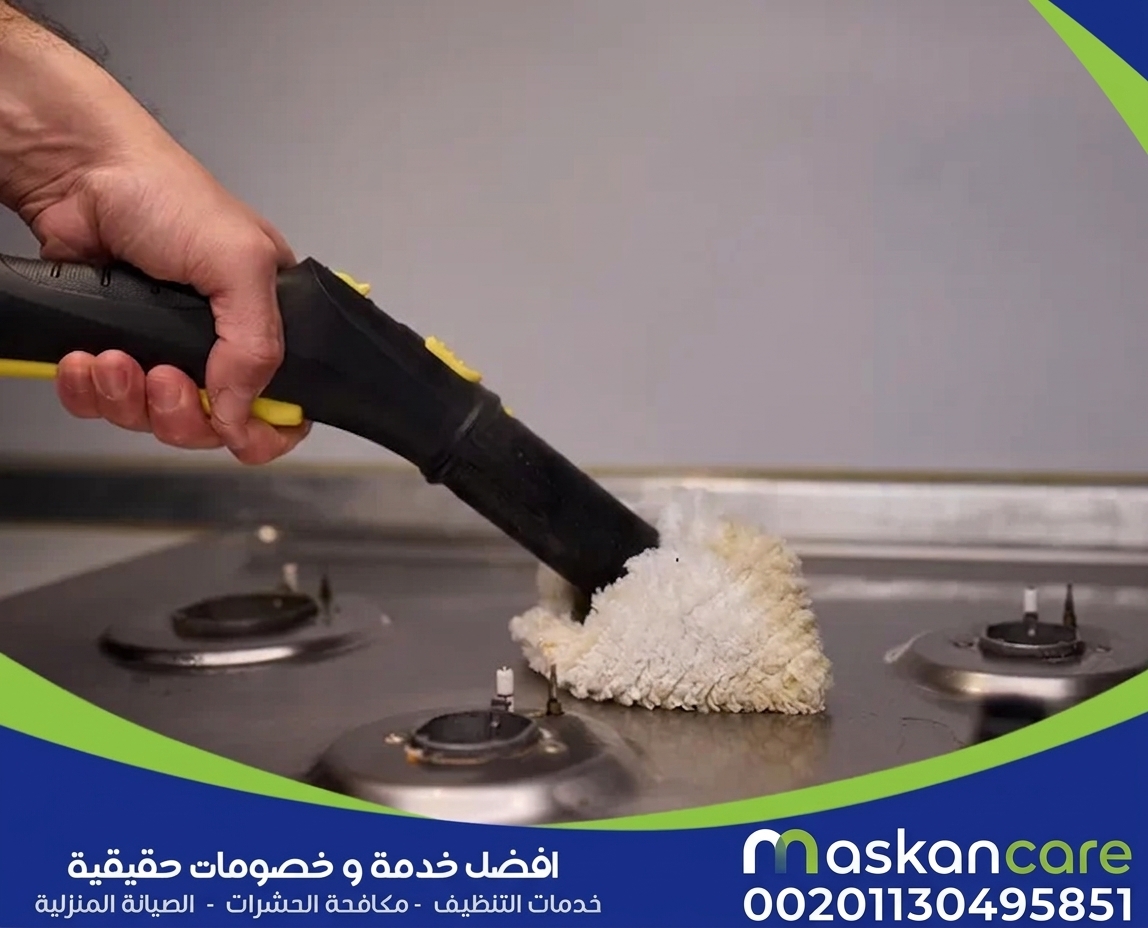
Methods for cleaning blocked gas burners 00201130495851 خدمة سريعة وبأرخص الأسعار
Clogged gas burners are a common problem for many households, causing weak or uneven flames and affecting cooking efficiency. Fortunately, this problem can be easily solved by following simple, at-home steps. In this guide, we'll walk you through the process of cleaning clogged gas burners using safe methods.
Ways to Clean Clogged Gas Burners: Steps and Suitable Tools
Gas burners are among the most frequently used parts of a stove, which means they are constantly exposed to grease, food residue, and dirt caused by cooking. Over time, these buildups can begin to affect the flame, ignition, and heat distribution. You may notice that some burners are not working as efficiently as before or that the flame has become uneven.
A clogged gas burner does not always mean that there is a major problem with the stove. In many cases, the issue is simply caused by dirt accumulating around the burner openings or by failing to clean the removable parts for a long period. Regular cleaning can therefore help keep the burners in better condition and reduce problems caused by accumulated grease and food residue.
In this article, we will discuss ways to clean clogged gas burners, the tools that can be used, how to deal with accumulated grease and dirt, as well as the most common causes of clogging and the mistakes that should be avoided during cleaning.
Best Gas Burner Cleaning Company
When dealing with gas burners, the main goal should be to clean the parts that can be safely accessed without interfering with the internal gas components. Home cleaning may be suitable for minor buildup, but some situations require a professional technician, especially if the problem continues after cleaning or if unusual signs appear during operation.
maskancare provides cleaning services that help deal with dirt and grease accumulated on stove components and household appliances, with attention to areas that require additional care.
Hiring a professional technician becomes particularly important when the problem involves internal components or when the cause of weak flames is unclear. In such cases, attempting to fix the issue randomly may not be appropriate and could potentially damage some components.
For inquiries and bookings:
00201130495851

Tools and Materials Needed to Clean Gas Burners
Before starting to clean gas burners, it is better to prepare the appropriate tools so that the process can be completed easily without having to use unsuitable cleaning tools.
Some of the tools and materials you may use include:
-
Small cleaning brush: Helps remove grease and food residue around the burner openings.
-
Old toothbrush: Useful for reaching narrow areas and small components.
-
Clean cloth: Used to wipe surfaces and dry the parts after cleaning.
-
Warm water and dish soap: Suitable for dealing with grease and dirt on removable parts.
-
White vinegar: Can be used on suitable parts to help remove light grease and residue.
-
Baking soda: Can be mixed with a small amount of water to create a paste for dealing with stubborn stains.
-
Cleaning gloves: Help protect your hands from grease and cleaning products.
-
A suitable precision cleaning tool: May be used very carefully to clean clogged openings without enlarging or changing their shape.
Before using any cleaning product, make sure it is suitable for the type of stove surface and the specific component being cleaned. It is also best to avoid using sharp or overly aggressive tools that could scratch the parts or alter the size of the gas openings.
How to Disassemble and Clean Gas Burners Step by Step
The cleaning process begins by making sure that the stove is completely turned off and cool before touching any components. You can then remove the burner caps, grates, and other parts that are designed to be easily removable.
Place the removable parts in warm water with an appropriate amount of dish soap and leave them for a while so that the accumulated grease can begin to loosen. After that, use a small brush to scrub the parts and remove food residue and oils.
For areas containing small openings, use a fine brush or an appropriate tool, while making sure to handle the openings gently. The goal of cleaning is to remove the blockage, not to enlarge the openings or change their original shape.
After cleaning, rinse the washed parts and dry them thoroughly before putting them back in place. It is important not to reinstall the parts while they are still wet, as moisture may affect ignition.
When reinstalling the burners, make sure every component is placed correctly and that the burner caps and grates are stable. If the flame remains uneven or ignition problems continue, it is better to stop attempting to repair the internal components and contact a professional technician.
Using White Vinegar to Remove Grease and Residue
White vinegar is a common household material that can be used to deal with some grease and residue on removable gas burner components.
Place an appropriate amount of vinegar in a container and soak the removable parts for a short period. Then scrub them using a small cleaning brush. This can help soften some residue that has become firmly attached due to repeated use.
After soaking and scrubbing, rinse the parts with water and dry them thoroughly. You can also use a cloth dampened with vinegar to wipe suitable surfaces while avoiding contact between liquids and sensitive internal components.
It is better not to rely on vinegar alone when grease buildup is heavy, as severe accumulation may require professional cleaning or a method specifically suitable for the type of component being cleaned.
Cleaning Gas Openings Carefully
Gas openings are delicate components that require careful handling during cleaning. Grease or food residue can accumulate around them, which may affect the consistency of the flame.
If there is a minor blockage in a visible opening, a fine brush can be used to remove dirt from the outside. If a precision tool is needed, it should be used very gently and without inserting it in a way that could enlarge or damage the opening.
It is not recommended to interfere with internal gas pipes or remove components connected to gas lines without professional experience. If the blockage is located inside the system or continues after cleaning the removable parts, contacting a technician is the safer option.
You should also avoid testing gas-related problems using unsafe methods. If you smell gas, do not turn on the stove or use any source of ignition. Shut off the gas supply if it is safe to do so, ventilate the area, and seek appropriate professional assistance.
Using a Wire Brush to Remove Stubborn Dirt
In some cases, layers of accumulated grease or burnt residue can be difficult to remove with a cloth or soft brush. A suitable brush may be used for certain metal components, but it should always be handled carefully.
Aggressive scrubbing can scratch the surface or damage external coatings, so it is better to start with a soft cleaning tool and only move to a stronger tool when necessary.
Avoid using a wire brush on sensitive components or surfaces that can easily be scratched. After cleaning, remove any remaining dirt and dry the component completely before reinstalling it.
Cleaning Gas Burners with Baking Soda
Baking soda can be used to clean certain grease deposits and residue from removable gas burner components.
To prepare a simple mixture, add a small amount of water to baking soda until it forms a thick paste. Apply the paste to the dirty areas and leave it for a short period before scrubbing with a suitable brush.
After removing the dirt, rinse the component thoroughly with water and dry it completely. This method is simple and can be useful for dealing with some light to moderate stains and buildup.
However, do not use the mixture on any component without first making sure that it is suitable for that surface, especially if the component is made from a material that requires a specific cleaning method.

Ways to Clean Clogged Gas Burners
There are several methods that can be used to deal with clogged gas burners. The appropriate method depends on the level of buildup and the type of component being cleaned.
Some of the most important methods include:
-
Turn off the gas: Make sure the gas supply is turned off before beginning the cleaning process.
-
Allow the stove to cool: Do not start cleaning while the stove is hot to avoid burns or damage to certain components.
-
Remove removable parts: Clean the burner caps, grates, and other parts that are designed to be removed.
-
Soak in warm water and soap: This helps loosen grease and food residue.
-
Use a small brush: Suitable for reaching narrow areas.
-
Use vinegar: Can help deal with certain grease deposits and residue.
-
Use baking soda: Can be made into a paste to help remove stubborn dirt.
-
Clean small openings carefully: Avoid excessive force or changing the size of the openings.
-
Dry the components: Make sure they are completely dry before reinstalling them.
The most important point is that choosing the right cleaning method is not enough. Internal gas components should never be repaired or disassembled without sufficient technical knowledge.
Importance of Cleaning Gas Burners
Regular gas burner cleaning is not only about appearance. It can also help maintain stove performance and reduce the accumulation of grease and food residue.
Some of the main benefits of regular cleaning include:
-
Maintaining an even flame: Removing dirt from appropriate areas may help improve the appearance and consistency of the flame.
-
Improving cooking performance: Clean burners may operate more effectively than components covered with heavy buildup.
-
Reducing grease accumulation: Regular cleaning helps prevent difficult layers of buildup from developing over time.
-
Maintaining stove components: Proper cleaning can help reduce the impact of dirt and residue on external components.
-
Keeping the kitchen cleaner: Removing food residue and grease helps keep the cooking area cleaner and more organized.
-
Detecting problems early: Regular cleaning makes it easier to notice unusual changes in the flame or ignition.
For this reason, it is better not to wait until the burners become completely clogged. Instead, make burner cleaning part of your regular kitchen cleaning routine.
Causes of Clogged Gas Burners
There are several reasons why gas burners may become clogged. One of the most common is the accumulation of grease and food residue caused by everyday cooking.
The main causes include:
-
Accumulation of grease and oils: Grease can spread during frying and cooking and reach different areas of the stove.
-
Food residue: Food or liquids spilling onto the burners can leave residue around the openings.
-
Lack of regular cleaning: The longer the stove remains uncleaned, the more difficult the grease becomes to remove.
-
Moisture: Moisture combined with dirt can contribute to residue buildup around certain stove components.
-
Improper cleaning methods: Using unsuitable products or tools may leave residue behind or damage some surfaces.
-
Burnt residue: Continuous use can cause dark residue to develop on some burner components.
-
Aging components: Certain parts may deteriorate over time and require inspection or replacement.
-
Internal problems: If weak gas flow continues after cleaning the external components, the issue may be related to an internal component that requires professional attention.
When Should You Call a Technician to Clean Gas Burners?
Not every blockage requires a technician. However, there are situations where professional assistance is safer than attempting to handle the problem yourself.
These situations include:
-
Weak flames that continue after cleaning the burners.
-
Recurring ignition problems.
-
An unusual gas smell.
-
Suspected gas leakage.
-
The need to remove internal gas-related components.
-
Visible damage or corrosion on stove components.
-
Not knowing the cause of the problem despite cleaning the removable parts.
-
A blockage located in an area that cannot be safely accessed.
If you smell gas or suspect a leak, do not attempt to repair the problem yourself. Shut off the gas supply if it is safe to do so, stay away from sources of ignition, and contact a qualified technician.
Tips to Prevent Gas Burner Clogging
Keeping the burners clean regularly is much easier than waiting for grease to build up and then trying to remove it all at once.
You can follow these simple tips:
-
Clean the burners regularly: Do not wait until the flame becomes weak before cleaning.
-
Clean spills quickly: Removing food and oil after the stove has cooled can prevent buildup.
-
Use suitable cleaning tools: Choose a soft brush or fine brush depending on the component being cleaned.
-
Do not use sharp tools aggressively: This could damage the openings.
-
Dry the components thoroughly: Especially after washing them with water.
-
Clean burner caps and grates regularly: These parts collect grease and food residue during use.
-
Monitor the flame: Any noticeable and persistent change may indicate a problem that needs inspection.
-
Do not spray cleaning products directly onto sensitive components: Especially electrical or internal parts.
-
Do not disconnect gas connections without a technician: These components require appropriate technical expertise.
-
Clean the entire stove: Not just the burners, since grease can spread between different parts.

Common Mistakes When Cleaning Gas Burners
Some incorrect cleaning methods may make the problem worse instead of solving it. Therefore, it is important to understand the most common mistakes.
Some of the main mistakes include:
-
Cleaning while the gas is on: Always turn off the gas supply before cleaning.
-
Cleaning while the stove is hot: This may result in burns or damage to certain components.
-
Using excessive amounts of water: Water reaching sensitive internal parts can cause operational problems.
-
Using metal tools aggressively: This may scratch surfaces or damage small openings.
-
Failing to dry the parts: Reinstalling wet components may affect ignition.
-
Spraying cleaning products randomly: Some cleaners may not be suitable for every stove component.
-
Trying to remove internal gas pipes: This is not an appropriate step for routine home cleaning.
-
Ignoring a gas smell: A gas smell is not simply a cleaning issue and should be treated as a safety concern.
-
Repeating cleaning without solving the problem: If the problem continues after cleaning the burners, the cause may be technical rather than a simple surface blockage.
How to Keep Gas Burners Free from Clogs
To keep your gas burners in good condition, clean the removable components regularly and remove food residue and grease as soon as possible. Avoid leaving liquids and oils around the burners for long periods.
It is also important to monitor the performance of the stove. If you notice that the flame has become weak or consistently uneven, do not rely solely on repeated cleaning. Instead, try to determine the actual cause of the problem.
Drying the components after washing them is also an important step, along with making sure that every component is returned to its correct position. If the problem is related to internal components or gas connections, this work should be left to a qualified technician.