The best way to get rid of fat in restaurant chimneys 00201130495851 خدمة سريعة وبأرخص الأسعار
The guide on restaurant chimneys is comprehensive, and explains the multiple causes of grease buildup, many of which include all professional food service components, the most important parts of the exhaust system that need monitoring, methods, follow-up, and comprehensive prevention tips throughout restaurants.
Restaurant Chimney Cleaning from Grease – Protecting the Kitchen and Improving Ventilation
Maintaining clean restaurant chimneys is an important part of protecting kitchen safety, ventilation efficiency, and the overall working environment. Restaurants that rely heavily on frying, grilling, and continuous cooking generate vapors, oils, and grease that can travel through exhaust hoods and ventilation systems.
As the restaurant continues operating, grease can gradually accumulate on internal chimney surfaces, exhaust ducts, filters, and other components connected to the ventilation system. If these deposits are not inspected and cleaned appropriately, they can affect ventilation performance and contribute to safety concerns associated with accumulated grease.
Restaurant chimney grease cleaning is therefore not simply an exterior cleaning task. The internal components that customers cannot see may require the most attention, particularly the areas through which grease-laden cooking vapors travel.
Neglecting these areas can contribute to reduced exhaust performance, unpleasant odors, and difficulty removing smoke and cooking vapors from the kitchen.
For this reason, establishing a clear restaurant chimney cleaning plan can help owners deal with grease buildup before it becomes more difficult to manage, while taking the restaurant's cooking methods, operating hours, and ventilation system into account.
For comprehensive cleaning of different areas of a restaurant, you can benefit from the services of a specialized cleaning company in Dammam that provides commercial and residential cleaning services.
Restaurant chimney cleaning is also connected to other parts of the restaurant environment, including exhaust hoods, kitchens, and cooking areas. You can explore cleaning services to learn more about the different types of cleaning work available.
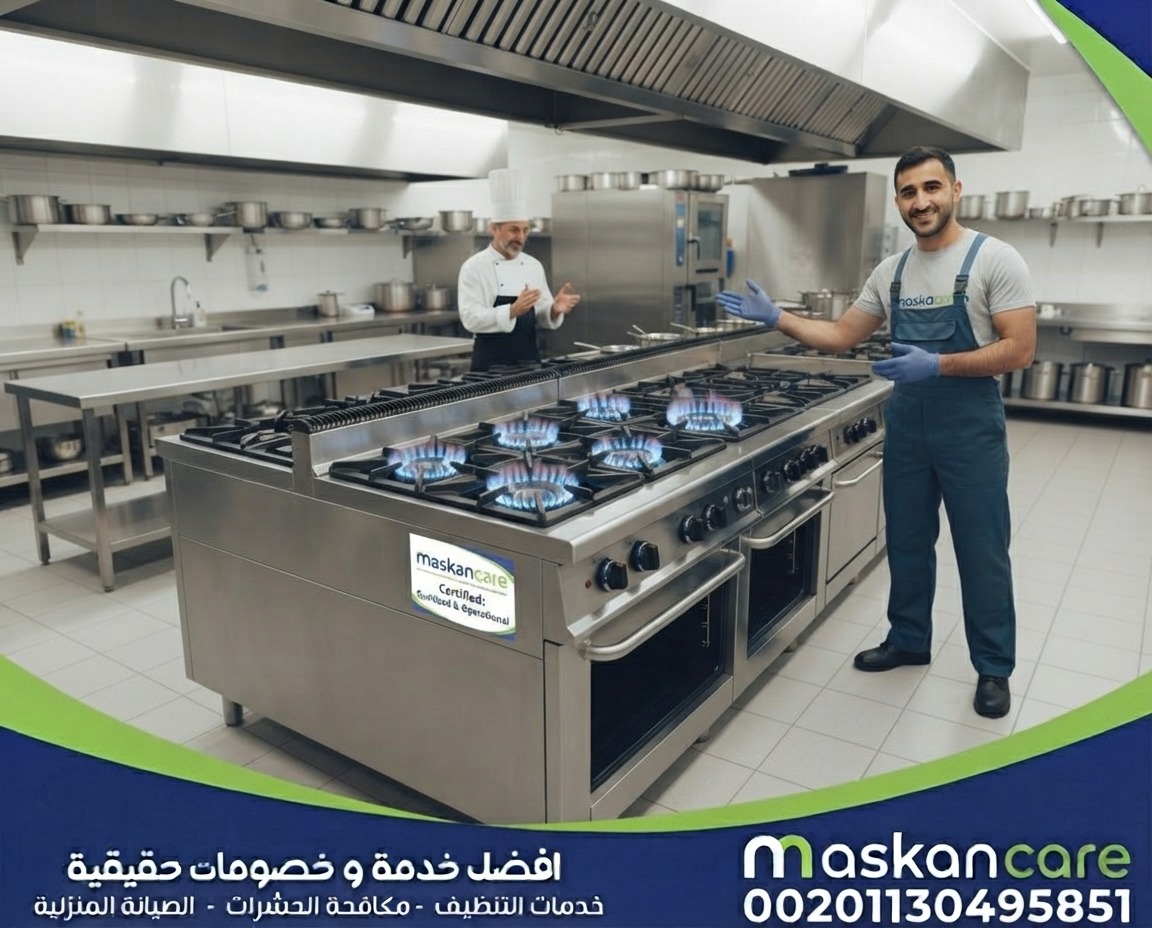
Specialized workers removing grease from restaurant chimneys
How Does Grease Accumulate Inside Restaurant Chimneys?
Grease buildup inside ventilation systems usually begins with vapors produced during cooking, particularly when restaurants use fryers, grills, and cooking equipment that generates significant amounts of greasy vapor.
Some filters capture part of this grease, but they do not necessarily prevent every particle from reaching other sections of the system. Over time, deposits can accumulate on internal surfaces if the system is not cleaned and maintained properly.
The speed at which grease accumulates varies from one restaurant to another.
A restaurant that relies heavily on frying and grilling may require more frequent monitoring than a restaurant that uses cooking methods that produce fewer greasy vapors.
Operating hours, production volume, ventilation efficiency, filter condition, and the design of the exhaust system can all influence the nature and speed of grease accumulation.
This is why there is no single cleaning schedule that is appropriate for every restaurant. The better approach is to assess operating conditions, monitor the condition of the system, and determine cleaning requirements according to actual use.
Risks of Grease Accumulation in Restaurant Chimneys
Grease accumulation inside restaurant ventilation systems should not be ignored because deposits can affect both safety and operational efficiency.
Increased Fire Risk
One of the main reasons restaurant exhaust systems require regular attention is that accumulated grease can be combustible.
When greasy deposits are exposed to sufficiently high heat or other conditions that could lead to ignition, the buildup can increase the potential seriousness of a fire within the ventilation system.
For this reason, cleaning restaurant chimneys, exhaust hoods, and ducts according to an appropriate maintenance plan can be an important part of managing kitchen safety risks.
Restaurants should not wait for a visible problem before paying attention to cleaning. Grease can accumulate gradually in areas that employees and customers cannot easily see.
Reduced Ventilation Efficiency
Grease deposits inside ventilation ducts can affect airflow and may cause the exhaust system to operate less effectively.
When smoke and cooking vapors are not removed efficiently, the kitchen may become hotter and less comfortable for employees.
Reduced ventilation performance can also make cooking odors and vapors more noticeable inside the restaurant.
Therefore, cleaning the exhaust system is not only about safety. It can also support better kitchen operation and a more comfortable working environment.
Unpleasant Odors
Grease and cooking residues can accumulate inside ventilation components and may contribute to unpleasant odors over time.
This can become particularly important when a restaurant is located close to residential buildings or other businesses, or when cooking odors affect the customer experience.
Regular cleaning can help address deposits that may contribute to persistent unwanted odors.

More Difficult Cleaning Over Time
Grease that remains on a surface for a long period may become more difficult to remove than newer deposits.
Regular maintenance is therefore generally preferable to waiting until thick layers have developed and require considerably more effort to clean.
How Grease Can Affect Indoor Air Quality
Good ventilation is an important part of maintaining a suitable commercial kitchen environment.
Cooking generates vapors, smoke, and different odors, and the exhaust and ventilation system plays an important role in removing them.
When grease accumulates inside parts of the system, airflow performance may be affected.
This can allow cooking vapors to remain in the kitchen for longer periods, making the working environment less comfortable.
However, cleaning the chimney alone does not automatically solve every indoor air quality problem. Ventilation performance also depends on the system's design, condition, maintenance, and operation.
Nevertheless, cleaning components where grease accumulates is an important part of caring for a restaurant exhaust system.
Areas That Require Inspection and Cleaning
When performing restaurant chimney cleaning, attention should not be limited to the visible exterior section of the chimney.
Depending on the system's design, inspection may include:
-
Exhaust hoods.
-
Grease filters.
-
Internal sections connected to the vapor path.
-
Exhaust ducts.
-
Chimney sections where grease deposits accumulate.
-
Areas near cooking equipment.
-
Points where grease and residue collect.
The exact scope of work varies according to the restaurant's ventilation design and the condition of the system.
For this reason, it is preferable to assess the system before determining exactly what type of cleaning is required.
Why Exhaust Hood Cleaning Matters
The exhaust hood is one of the most important components of a commercial kitchen ventilation system because it receives cooking vapors directly from the cooking area.
With continuous use, grease can accumulate on different parts of the hood, particularly when the equipment is not cleaned regularly.
Keeping accessible hood components reasonably clean can support system performance and make inspection easier.
However, cleaning only the exterior of the hood does not mean that the entire exhaust system is clean.
Grease may still be present in internal components or exhaust ducts that require professional inspection.
The Importance of Cleaning Grease Filters
Grease filters play an important role in capturing part of the grease generated during cooking before it travels farther through the ventilation system.
For this reason, they should be cleaned according to the manufacturer's instructions and the restaurant's level of use.
A dirty filter can affect airflow, while excessive grease accumulation may reduce its effectiveness.
Filters should also be inspected regularly and replaced when their condition is no longer suitable for use, according to the filter type and manufacturer's recommendations.
How Kitchen Cleaning Relates to Chimney Cleaning
The chimney should not be viewed separately from the kitchen.
Cooking equipment such as ovens, grills, and fryers generates the vapors that enter the exhaust system.
When cooking equipment and the surrounding areas are properly maintained and grease deposits are removed regularly, it becomes easier to control sources of grease buildup.
For this reason, you can benefit from the services of a kitchen cleaning company in Dammam to learn more about cleaning kitchens and dealing with grease sources around cooking equipment.
Oven cleaning may also form part of a restaurant's overall hygiene and maintenance program. You can explore the services of a professional oven cleaning company in Dammam for more information about oven cleaning and maintenance.
Effective Methods for Cleaning Restaurant Chimneys
The methods used to remove grease from restaurant chimneys vary depending on the type and amount of buildup.
There is no single method that is suitable for every situation.
Manual Cleaning
Appropriate manual tools can be used to remove hardened deposits from accessible surfaces.
This method can be useful when dealing with thick or hardened grease, but it requires knowledge of the ventilation system and the areas that can be accessed and cleaned safely without damaging components.
Steam Cleaning
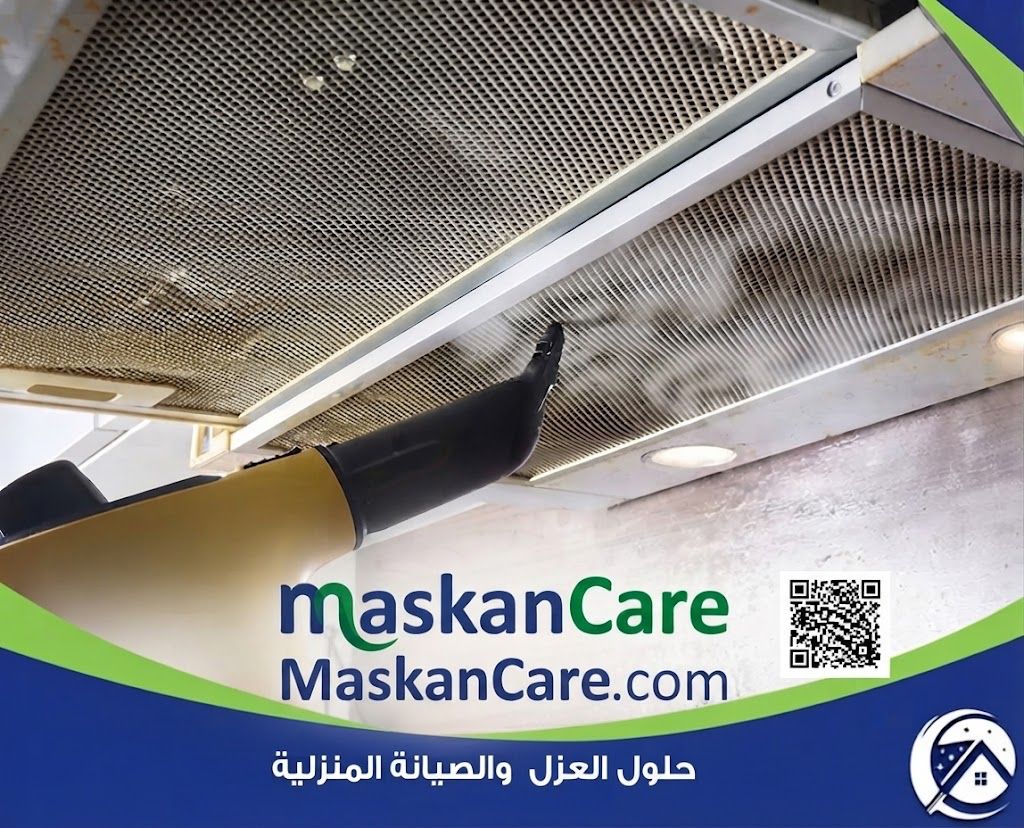
Steam may be used in certain grease-removal applications. Heat and moisture can help soften deposits and make them easier to remove.
The equipment and operating method should be selected according to the surfaces being cleaned and the components of the ventilation system.
Specialized Cleaning Equipment
Large commercial kitchens may require professional equipment designed specifically for restaurant exhaust and grease-cleaning applications.
The equipment used depends on the size of the buildup, its location, and the design of the ventilation system.
The strongest equipment is not automatically the best choice. The equipment must be suitable for the specific exhaust system and the type of buildup being treated.
Grease-Removal Products
Specialized grease-removal products are available for breaking down or loosening grease deposits, but they must be used according to the manufacturer's instructions and applicable safety requirements.
The product should be suitable for the specific surface and intended application, particularly in restaurant environments where food is prepared.
Cleaning chemicals should never be mixed together unless the manufacturer specifically states that doing so is safe.

Tools and Equipment Used for Restaurant Chimney Cleaning
Restaurant chimney cleaning requires equipment that is appropriate for the nature of the work. The tools required vary depending on restaurant size, ventilation design, and the severity of grease accumulation.
Brushes and Scrapers
Some manual tools can be used to remove grease deposits from accessible surfaces.
Tools should be suitable for the surface being cleaned to avoid unnecessary damage.
Steam Equipment
Steam equipment may be useful in certain situations for softening grease and making removal easier.
It should be operated by workers who understand how to use the equipment safely and appropriately.
Specialized Cleaning Equipment
Large restaurant exhaust systems may require professional equipment that can reach areas that are difficult to clean using ordinary methods.
Equipment selection should depend not only on power but also on compatibility with the ventilation system and the nature of the grease buildup.
Protective Equipment
Chimney cleaning requires appropriate safety precautions because workers may deal with greasy surfaces, hot equipment, elevated areas, or difficult-to-access sections.
Work should therefore be carried out by properly trained personnel following appropriate safety procedures.
When choosing a restaurant chimney cleaning company, it is important to consider its experience with commercial kitchens, its approach to ventilation systems, and its attention to worker and site safety.
Modern equipment for removing grease from restaurant chimneys
Is Exterior Chimney Cleaning Enough?
Cleaning the outside of the chimney can improve its appearance, but it does not necessarily mean that the entire exhaust system is clean.
The main grease buildup may be located inside the pathways through which cooking vapors travel.
For this reason, the condition of the entire system should be considered rather than judging it only by its exterior appearance.
If internal grease deposits are present, cleaning the outside will not address the underlying buildup.
This is where professional inspection becomes useful. A trained technician can identify which parts require attention according to the design of the restaurant's ventilation system.
Restaurant Chimney Cleaning Schedule
Establishing an appropriate schedule for restaurant chimney cleaning can help prevent grease from accumulating for long periods.
However, cleaning frequency should not be based on one fixed number for every restaurant.
Several factors influence how often cleaning may be needed, including:
-
Restaurant size.
-
Operating hours.
-
Type of food prepared.
-
Amount of frying and grilling.
-
Quantity of cooking vapors.
-
Condition of grease filters.
-
Ventilation system design.
-
Level of grease accumulation observed during inspection.
As a result, some restaurants may require more frequent monitoring and cleaning than others.
Instead of relying on one universal schedule, it is better to establish a maintenance program based on the restaurant's actual operating conditions.
Keeping records of previous inspections and cleaning services can also help restaurant management track the condition of the system and organize future maintenance.
The Importance of Periodic Inspection
Restaurants should not wait until the exhaust system becomes noticeably weak or strong odors appear before considering inspection.
Periodic inspection can help identify grease accumulation at an earlier stage.
It may also reveal other issues that require maintenance or repair, such as damaged components or areas that are difficult to access and clean.
Inspection does not necessarily mean that the entire system needs to be professionally cleaned every time. Instead, it provides information that helps management make a decision based on the actual condition of the system.
The Relationship Between Food Type and Grease Accumulation
The amount of grease generated during cooking varies from one restaurant to another.
Restaurants that rely heavily on frying and grilling may experience different types and levels of buildup compared with restaurants that use other cooking methods.
The amount of vapor can also vary depending on the equipment used and the volume of food being prepared.
Therefore, cleaning requirements should take the restaurant's actual activities into consideration.
It would be inappropriate to assume that every restaurant requires the same cleaning schedule or the same equipment.

Tips for Preventing Grease Buildup in Restaurant Chimneys
Prevention does not eliminate the need for chimney cleaning, but it can help control the rate at which grease accumulates and support better kitchen maintenance.
Clean Cooking Equipment Regularly
Cooking equipment should be cleaned according to a clear schedule, especially equipment that generates significant grease and vapor during operation.
Keeping equipment clean can help reduce grease accumulation around vapor sources.
Maintain Grease Filters
Filters should be inspected and cleaned or replaced according to their type and the manufacturer's instructions.
Because filters are an important part of the exhaust system, neglecting them can affect ventilation performance.
Keep the Exhaust Hood Clean
Cleaning accessible hood components can help prevent grease from remaining on surfaces for long periods.
However, internal areas that require professional inspection should not be overlooked.
Address Technical Problems Promptly
If a ventilation problem, grease leak, drainage issue, or other technical concern appears, it should be addressed promptly rather than allowed to become worse.
Train Restaurant Employees
Employees can be trained to recognize signs of grease accumulation and report them.
They should also understand daily cleaning procedures for cooking equipment, filters, and surrounding kitchen areas.
Proper Grease Waste Disposal
After grease is removed from the ventilation system, the waste must be handled appropriately.
Grease should not be poured into drains in a way that could contribute to blockages or damage the drainage system.
Restaurants should follow applicable local requirements and procedures for handling and disposing of commercial kitchen waste.
Proper waste management helps maintain the cleanliness of the restaurant and reduces the possibility of grease-related problems in other parts of the facility.
How to Choose a Restaurant Chimney Cleaning Company
Choosing the right company is an important step in obtaining effective service.
Look for a company with experience in commercial kitchen cleaning and restaurant exhaust systems because cleaning a restaurant chimney is different from cleaning an ordinary surface.
It is also useful to understand the company's service process and whether it begins by inspecting the ventilation system before determining the cleaning requirements.
The team should understand appropriate safety procedures and use equipment and cleaning products suitable for the job.
Price should not be the only factor considered.
Experience, quality of work, inspection procedures, safety practices, and the company's ability to work appropriately with commercial ventilation systems are all important considerations.
Why Can Professional Cleaning Be Better Than Random Cleaning?
Restaurant ventilation systems can contain internal sections and ducts that are difficult to access.
Grease buildup may also be heavier in certain areas and lighter in others.
Random cleaning may therefore focus on easy-to-reach surfaces while leaving other sections containing grease deposits untouched.
Professional service generally begins with assessing the condition of the system and identifying the areas that require attention.
This makes it possible to direct cleaning efforts toward the most important areas rather than focusing only on exterior appearance.
Restaurant Chimney Cleaning and Safety Requirements
Safety inside a restaurant is an ongoing responsibility, and maintaining exhaust systems is one of the areas that should be included in the restaurant's cleaning and maintenance plan.
Regulatory requirements vary from one location to another, so restaurant owners should consult the relevant authorities and local requirements applicable to their facility.
Compliance is not limited to cleaning. It can also involve proper maintenance, safe operation, cooking equipment management, and regular attention to ventilation systems.
Keeping records of inspections and cleaning services can also help restaurant management organize and monitor maintenance activities.
Cleaning Chimneys in Large Commercial Kitchens
Large commercial kitchens may contain several cooking lines, multiple pieces of equipment, and larger ventilation systems.
This can result in greater vapor production in some cases and may increase the need for regular monitoring.
The areas requiring cleaning should therefore be determined according to the ventilation system's design and the restaurant's operating conditions.
Hard-to-reach areas should not be ignored because grease may accumulate there without being obvious to employees.
Cleaning Chimneys in Small Restaurants
Small restaurants are not exempt from the need to clean their ventilation systems.
Even a small kitchen can produce substantial greasy vapors when frying or grilling is a regular part of its operations.
The size of the restaurant alone is not enough to determine cleaning requirements.
The more important factors are the cooking activity, operating volume, system condition, and level of grease buildup.
For this reason, cleaning needs should be assessed according to the restaurant's actual circumstances.
Signs That the Exhaust System Needs Inspection
Several signs may indicate that the exhaust system requires attention, including reduced hood performance, increasing odors, visible grease buildup, or noticeable changes in airflow.
A high level of grease on filters may also indicate that the rest of the system should be inspected.
However, no single sign should automatically determine the entire maintenance plan. It is better to evaluate the ventilation system as a whole.
If the restaurant operates for long hours or relies heavily on greasy cooking methods, regular monitoring becomes even more important.
How Can MaskanCare Help With Restaurant Chimney Cleaning?
When looking for a service for removing grease from restaurant chimneys, restaurant owners need a team that understands the nature of commercial kitchens and the importance of handling accumulated grease in an organized manner.
MaskanCare provides cleaning services that can help address different areas of the restaurant environment while taking the specific needs of the facility into account.
The service can begin by assessing the area that requires cleaning and identifying the nature of the buildup and the components that need attention.
The work should not be limited to the exterior section of the chimney because an exhaust system may include hoods, filters, and internal ducts that require inspection depending on the system's design.
Restaurant chimney cleaning is also connected to kitchen and cooking equipment maintenance, so cleaning work can be viewed as part of a broader plan for maintaining a cleaner commercial kitchen environment.
Regular monitoring can help identify grease buildup before it becomes more difficult to remove and can help restaurant management organize cleaning and maintenance activities.
If you need cleaning services for your restaurant or commercial kitchen, you can contact MaskanCare to learn more about the service appropriate for your location.
Contact Number: 00201130495851
WhatsApp: https://wa.me/+00201130495851
You can also explore the services of a cleaning company in Al Khobar to learn more about cleaning solutions available in Al Khobar for restaurants, commercial facilities, and different properties.
Tips for Maintaining a Cleaner Restaurant Ventilation System
Restaurant management can follow several practical procedures to support regular maintenance.
First, cooking equipment should be cleaned consistently, and the surrounding areas should not be neglected.
Second, grease filters should be inspected and cleaned according to the appropriate instructions.
Third, cleaning and inspection dates should be recorded so that maintenance does not become overdue.
Fourth, any noticeable reduction in exhaust performance, unusual odor, or unexpected grease buildup should be reported.
Fifth, restaurants should avoid waiting until deposits become severe before arranging professional cleaning.
These steps cannot prevent grease from accumulating completely, but they can help control buildup and support better management of the ventilation system.
Common Mistakes When Cleaning Restaurant Chimneys
Cleaning Only the Exterior
The outside of a chimney may look clean while grease deposits remain inside the ducts.
The condition of the ventilation system should therefore never be judged by exterior appearance alone.
Ignoring Grease Filters
Filters are an important part of the exhaust system, and neglecting them can affect airflow and grease capture.
Waiting Until the Exhaust Becomes Weak
A noticeable reduction in performance may mean that a problem has already been developing for some time.
Regular inspection is preferable to waiting for obvious symptoms.
Using Random Cleaning Products
Not every grease-removal product is suitable for every surface or ventilation component.
Products should be used according to their instructions and selected for the intended application.
Failing to Keep Cleaning Records
Maintaining a record of cleaning services helps restaurant management know when the system was last inspected or cleaned and organize future appointments.
Why Regular Chimney Cleaning Can Support Restaurant Reputation
Restaurant cleanliness is not limited to dining rooms, tables, floors, and customer-facing areas.
Customers may never see the exhaust system, but the performance of the kitchen ventilation system can affect the overall restaurant environment.
Strong cooking odors, excessive smoke, heat, or poor ventilation can influence employee comfort and potentially affect the customer experience.
For this reason, maintaining exhaust systems and restaurant chimneys is part of comprehensive restaurant hygiene and facility management.
A clear maintenance and cleaning program also demonstrates that restaurant management pays attention to areas that customers may not directly see.
Why Ovens and Cooking Equipment Should Also Be Cleaned
Grease accumulation inside ventilation systems cannot be managed effectively without paying attention to the sources of cooking vapors.
Cooking equipment with heavy grease deposits should be cleaned according to its use and the restaurant's maintenance program.
Cleaning ovens, grills, fryers, and other cooking equipment can therefore be an important part of a restaurant's overall hygiene strategy.
You can explore the services of a professional oven cleaning company in Dammam to learn more about oven and cooking equipment cleaning.
Deep Cleaning for Restaurants
Restaurants may need deep cleaning from time to time in addition to their normal daily cleaning routines.
Deep cleaning can include difficult-to-reach areas, cooking equipment, storage spaces, areas surrounding cooking appliances, and ventilation components that require specialized attention.
Deep cleaning does not replace daily cleaning. Instead, it complements it.
Daily cleaning helps maintain normal hygiene levels, while specialized periodic cleaning can address deposits and buildup that cannot be fully removed during routine restaurant operations.
Chimney Cleaning in Restaurants That Rely on Frying and Grilling
Restaurants that depend heavily on frying and grilling require particular attention to their exhaust systems because of the nature of the vapors produced by these cooking processes.
The more frequently greasy cooking equipment is used, the more important it becomes to monitor filters, exhaust hoods, and ducts.
This does not mean that every restaurant should follow an identical cleaning interval. Instead, the system should be evaluated according to operating volume, grease levels, and ventilation design.
Regular monitoring helps identify buildup before it becomes more difficult to clean.
When Should You Hire a Professional Cleaning Company?
It may be appropriate to request professional service when grease deposits become clearly visible, odors repeatedly return, exhaust performance declines, or access to internal components becomes difficult.
Professional assessment can also be useful when restaurant staff cannot determine the condition of internal exhaust ducts or other ventilation components.
A specialized service provides an opportunity to evaluate the actual problem instead of relying on assumptions and to determine the scope of work according to the system's condition.
Conclusion
Restaurant chimney grease cleaning is an important part of maintaining commercial kitchens and their ventilation systems. Grease buildup does not simply affect the appearance of a chimney. It can also affect exhaust performance and the working environment, while accumulated grease deposits can contribute to important safety concerns that require regular attention.
Cleaning requirements vary from one restaurant to another depending on operating volume, cooking methods, the amount of frying and grilling, filter condition, and ventilation system design.
For this reason, restaurants should not rely on one fixed cleaning schedule without considering their actual operating conditions.
Attention should be given to exhaust hoods, grease filters, internal sections, ducts, and areas where grease may accumulate rather than focusing only on the visible exterior of the chimney.
Prevention also starts inside the kitchen. Cleaning cooking equipment, maintaining filters, monitoring exhaust hoods, addressing technical issues, and training employees in appropriate cleaning procedures can all help control grease buildup.
It is also important to document inspection and cleaning activities and monitor the condition of the ventilation system continuously. Waiting until a major problem appears may make grease buildup more difficult to manage.
When professional service is required, MaskanCare can help assess restaurant cleaning requirements and provide cleaning solutions according to the nature of the facility and its ventilation system.
If you are looking for restaurant chimney grease cleaning to maintain a cleaner, more organized kitchen and support better exhaust system maintenance, you can contact MaskanCare to learn more about the service suitable for your restaurant.
Contact Number: 00201130495851
WhatsApp: https://wa.me/+00201130495851
Book restaurant chimney cleaning with a 30% discount!
MaskanCare follows suitable methods for removing grease from restaurant chimneys and maintaining the cleanliness of ventilation system components. Contact us to learn more about the service and determine the cleaning requirements for your restaurant.