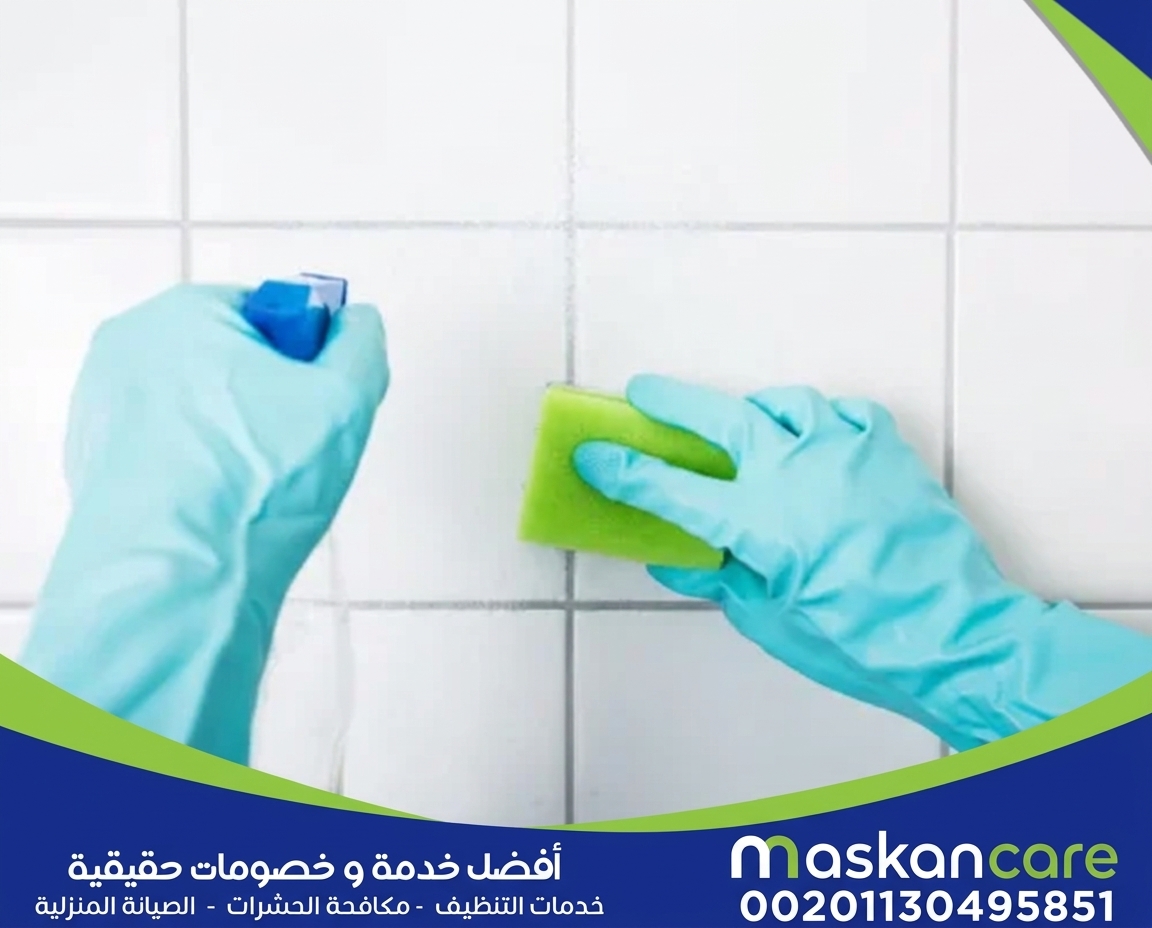
Ways to clean house walls 00201130495851 خدمة سريعة وبأرخص الأسعار
The need to know how to clean house walls arises when fingerprints accumulate in hallways, kitchen grease appears, or children scribble on the walls. The problem isn't just removing the stain, but cleaning it without fading the color or peeling the paint. Therefore, the method of cleaning house walls depends on identifying the type
Cleaning Walls Without Damaging the Paint
Cleaning the walls inside your home requires a little care and attention. Using a strong cleaning product or scrubbing the surface too aggressively can actually make the situation worse, especially with matte paints or sensitive surfaces. Some stains may look simple at first, but they can become more difficult to remove over time if they are not treated properly.
The cleaning method also varies from one wall to another depending on the type of paint and the nature of the dirt. Dust and fingerprints are usually easier to deal with, while grease, dark stains, and yellowing require more careful treatment to prevent changes in the paint color or visible cleaning marks.
Therefore, cleaning walls without damaging the paint depends on choosing the right cleaning material, limiting the amount of water, using soft tools, and testing any product on a small, hidden area before applying it to a larger surface.
Factors for Cleaning Walls Without Damaging the Paint
Before choosing any cleaning mixture or product, it is important to understand the factors that affect the cleaning result. Knowing these factors helps you avoid trying products that may not be suitable for the wall or could affect the appearance of the paint.
-
Surface type: Walls painted with washable paint generally tolerate wiping better than matte finishes, while wallpaper requires more careful handling.
-
Type of stain: Dust and fingerprints are different from grease, dark marks, or mold, so one cleaning method cannot be used for every situation.
-
Cleaning product strength: It is better to start with mild soap and water, then move to a stronger product only when necessary.
-
Amount of water: Excessive water can damage certain types of paint or cause wallpaper to swell and change shape.
-
Testing the product: Testing the cleaning material on a hidden area is important to make sure it does not change the color or finish.
-
Drying and ventilation: After cleaning, the wall should be dried properly and the room should be well ventilated to reduce moisture.
Best Materials for Cleaning Walls
Cleaning walls does not always require strong cleaning products. In many situations, simple materials are enough. Warm water with a small amount of mild soap is one of the suitable options for washable painted walls.
For stubborn stains, baking soda can be used locally after testing it on a small area first. The important thing is not to leave any cleaning material on the wall for too long. Any remaining product should be removed, and the surface should be dried after cleaning.
The right cleaning material depends on the type of wall and the type of stain. The goal is not to find the strongest cleaner, but rather to choose a product that removes the dirt without affecting the paint.

Methods for Cleaning Walls at Home
Proper wall cleaning methods at home should always begin by removing dust and dirt before using water. This simple step prevents dust from turning into a muddy layer during wiping and reduces the need for aggressive scrubbing.
After that, you can use a microfiber cloth slightly dampened with warm water and mild soap, cleaning a small section at a time. Once each section has been cleaned, it is better to dry it immediately to prevent moisture from leaving lines or marks on the wall.
Kitchen walls and areas close to cooking sources may require additional attention because of grease. In these areas, a mild cleaning solution can be used while avoiding excessive water or harsh products.
|
Type of Dirt |
Suitable Method |
|
Light dust and dirt |
Dry wiping with a microfiber cloth or soft brush |
|
Fingerprints |
Warm water with mild soap |
|
Kitchen grease |
Diluted dish soap applied locally |
|
Light scribbles |
Gentle wiping followed by spot treatment when needed |
|
Wallpaper |
Dry or limited damp cleaning depending on the type |
|
Recurring mold |
Treat the moisture source before cleaning the surface |
Steps for Cleaning Walls at Home
The success of wall cleaning steps at home does not depend on how hard you scrub. It depends more on following the correct order. Cleaning can be performed systematically to reduce the possibility of damaging the paint or leaving marks on the wall.
-
Prepare the area: Move furniture away from the wall and place a cloth or towel underneath the area being cleaned.
-
Remove dust: Use a dry cloth or soft brush to remove dust and cobwebs.
-
Prepare a mild solution: Use warm water with a small amount of suitable soap.
-
Test a hidden area: Try the solution behind a piece of furniture or in an inconspicuous corner.
-
Clean a small section: Gently wipe the wall using a well-wrung cloth.
-
Remove cleaning residue: Use a clean damp cloth when necessary.
-
Dry the surface: Wipe the area with a dry towel and allow the room to ventilate properly.
How Do I Clean My Walls Properly?
Always begin by removing dust, then use warm water and mild soap with a soft, well-wrung cloth. Do not immediately scrub the stain aggressively, because excessive pressure can change the appearance of the paint instead of simply cleaning it.
It is also better to work on small sections so you can notice any change in color or texture before moving on to the rest of the wall.
What Is an Easy Way to Clean a Wall?
The easiest method is to remove the dust first, then use a microfiber cloth slightly dampened with warm water and mild soap, followed by immediate drying. This method works well for everyday cleaning and light marks.
Causes of Dirty Walls Inside the Home
There are many causes of dirty walls, and not every stain is the result of neglect. In living rooms and hallways, fingerprints, friction, and accumulated dust are common causes, while kitchens tend to experience more grease and cooking vapors.
Dark marks may appear because of smoke or poor ventilation. Some marks can also result from furniture rubbing against the wall or remaining too close to it for long periods.
Bathrooms and enclosed corners may develop stains and mold because of moisture. In such cases, simply cleaning the surface is not always enough because the mold can return if the moisture source remains.
The type of paint also affects how easily dirt can be removed. Some paints tolerate light wiping, while matte finishes are more sensitive to aggressive scrubbing and strong cleaning products.
For this reason, it is better to identify the cause of the stain first, then choose a cleaning method that suits both the wall surface and the type of dirt.

Tools You Need Before Cleaning
Choosing the right wall cleaning tools makes the process easier and reduces the possibility of scratching the paint or leaving marks after cleaning. In most cases, you do not need many tools, just a few soft and suitable items.
-
Microfiber cloth: Suitable for removing dust and wiping surfaces without leaving noticeable lint.
-
Non-abrasive sponge: Useful for spot-cleaning surfaces that can tolerate wiping.
-
Bucket of warm water: Helps prepare a simple cleaning solution.
-
Soft brush: Useful for removing dust and cobwebs from corners.
-
Gloves: Help protect your hands when using cleaning products.
-
Dry towel: Important for drying the wall after wiping and reducing moisture.
It is better to avoid rough sponges, metal tools, or anything that could scratch the surface, especially when dealing with matte paint.
Types of Walls and How to Clean Each One
The same wall cleaning methods at home cannot be applied to every surface. Differences in paint type and wallpaper directly affect the appropriate cleaning method.
-
Washable paint: Can be cleaned with warm water and mild soap using a well-wrung cloth.
-
Matte paint: Requires light pressure and a limited amount of water because scrubbing may create a different shine in the cleaned area.
-
Newly painted walls: Should not be washed until the paint has properly cured according to the product instructions.
-
Washable wallpaper: Can be gently wiped with a slightly damp cloth and dried quickly.
-
Non-washable wallpaper: Dry cleaning is preferable, and the paper should not be saturated with water.
How Do I Clean a Plastic-Painted Wall?
A wall painted with plastic-based paint can be cleaned with warm water and a small amount of mild soap using a soft cloth or sponge. The cloth should be well wrung before touching the wall, and the surface should be dried after cleaning.
How Can I Clean Wall Paint?
Start by removing dust, then test a mild cleaning solution in an inconspicuous area. If there is no change in color or texture, the same method can be used on the stain while avoiding excessive pressure.
Difference Between Cleaning Painted Walls and Wallpaper
Each surface requires a different cleaning method, especially because wallpaper may be affected by water more quickly than some types of paint.
|
Element |
Painted Walls |
Wallpaper |
|
Starting point |
Remove dust, then wipe |
Start with dry cleaning |
|
Amount of water |
Limited depending on the paint |
Very limited |
|
Scrubbing |
Gentle, especially with matte paint |
Preferably avoided |
|
Difficult stains |
Treat locally |
Requires careful testing |
|
Drying |
Important after wiping |
Essential to prevent swelling |

Cleaning White Walls from Dirt
Cleaning white walls from dirt requires special care because dust and stains are highly visible on white surfaces. Even a slight difference in the finish can become noticeable after cleaning.
Start by removing dust with a dry microfiber cloth, then prepare warm water with a small amount of mild soap. Wring the cleaning cloth thoroughly and wipe the area gently.
If the stain is stubborn, do not immediately move to a strong product. It is better to test the method in an inconspicuous area and then treat the stain gradually.
Each section should also be dried after cleaning to prevent water lines or visible differences in color.
What Is an Easy Way to Clean a Wall?
You can start by removing dry dust, then use a mild solution of water and soap, followed by immediate drying. This method is suitable for everyday dirt and light stains.
What Can I Wash Walls With to Remove Dirt?
Warm water with mild soap can be used on washable walls. The important point is to make sure the cleaning cloth is well wrung and not to leave water or soap on the surface for an extended period.
Cleaning Walls from Dark Marks and Yellowing
Cleaning dark marks from walls depends on identifying the source of the stain before choosing a cleaning method. Dark marks may come from dust, smoke, friction, or moisture.
Begin by removing surface dust with a dry cloth, then test a mild cleaning solution on a small area. If the stain is related to moisture, it is important to address the moisture source instead of repeatedly cleaning the same area.
Cleaning yellow stains from walls requires a gradual approach, especially when the discoloration is caused by smoke or accumulated grease. Using strong products directly may create an area that is lighter than the rest of the wall.
For this reason, it is better to clean the stain gradually, test the product, and dry the surface after each step.
How Do I Remove Dirt from Walls?
Start by wiping away dust, then use warm water and mild soap with a soft cloth. Avoid aggressive scrubbing and dry the area immediately after cleaning.
What Is the Fastest Way to Remove Grease?
For light grease, use a small amount of diluted dish soap on a soft cloth, then wipe away any residue with a clean damp cloth and dry the wall.
Cleaning Kitchen Walls from Grease
Kitchen walls are among the surfaces most exposed to grease because of cooking vapors and oils, particularly around the stove and underneath kitchen cabinets.
The process of cleaning kitchen walls from grease starts by removing dust, followed by preparing warm water with a small amount of dish soap. Apply the cleaning solution to the cloth rather than pouring a large amount directly onto the wall.
Wipe the surface with gentle, repeated movements, then remove soap residue with a clean, slightly damp cloth. Afterward, dry the wall thoroughly.
It is not recommended to soak the wall with water because excessive moisture can affect certain types of paint. Leaving water on the surface for a long time may also cause problems for sensitive walls.
How Do I Remove Grease from Kitchen Walls?
Use warm water with a small amount of dish soap, then gently wipe the grease with a soft, well-wrung cloth. After that, wipe the area with clean water and dry it immediately.
The Proper Way to Clean Wallpaper Without Damage
The correct method for cleaning wallpaper depends on the type of wallpaper, so you should first determine whether it is washable.
-
Washable wallpaper: Use a slightly damp cloth with a mild solution.
-
Non-washable wallpaper: Prefer dry cleaning with a soft cloth.
-
Grease stains: Treat them quickly and locally.
-
Wet areas: Dry them immediately instead of allowing the wallpaper to remain saturated.
-
Raised patterns: Wipe gently without scrubbing.
-
Product testing: Test any cleaner in an inconspicuous area before using it.
Avoid experimenting with household cleaning mixtures on wallpaper without testing them first, because some wallpaper types can react quickly to liquids or chemicals.
How to Choose a Cleaning Product Based on the Wall Type
Choosing the right cleaning material is more important than using a large amount of it. The basic rule is to start with the simplest option and move to a stronger solution only when necessary.
-
Water and soap: Suitable for most everyday dirt on washable painted walls.
-
Baking soda: Can be used locally for stubborn stains after testing.
-
Diluted vinegar: Should only be used after confirming that it is suitable for the surface.
-
Ready-made wall cleaners: Should be suitable for the paint type and non-abrasive.
-
Melamine sponge: May help with certain pencil or pen marks, but it requires testing because it can change the finish.
-
Bleach: Should not be used randomly on walls and must never be mixed with vinegar or ammonia.
Results of Incorrect Wall Cleaning
Incorrect cleaning can create new problems instead of removing the original stain. Continuous scrubbing may change the finish of the paint, while excessive water can weaken certain types of paint or affect wallpaper.
Using a strong cleaner without testing it can also cause fading or create an area that looks different from the rest of the wall. In some cases, the stain may disappear while the cleaning mark remains because the surface has a different finish.
Therefore, cleaning walls without damaging the paint does not simply mean removing dirt. It also means preserving the wall's appearance, color, and texture after the cleaning process is complete.
Common Mistakes When Cleaning Walls at Home
There are several mistakes that are often made during wall cleaning. Most of them can easily be avoided once you understand their possible effects.
-
Mixing cleaning products: Never mix bleach with vinegar or ammonia because some combinations can produce dangerous fumes.
-
Aggressive scrubbing: Excessive pressure can leave marks or change the finish.
-
Using too much water: Saturating the wall does not mean better cleaning.
-
Cleaning dust with water immediately: Remove dry dust first so it does not become a sticky layer.
-
Leaving cleaner on the wall: Product residue can cause streaks or uneven color.
-
Ignoring drying: Persistent moisture can increase the possibility of mold in enclosed areas.
Practical Tips for Cleaning Walls
Regular wall care is better than waiting until stains become difficult to remove, especially in kitchens, hallways, and frequently used areas.
-
Remove dust regularly: Regular dry wiping helps reduce dirt buildup.
-
Use as little water as possible: The goal is to clean the surface, not saturate it.
-
Test the cleaner: Do not use a new product on a large area before testing it.
-
Treat stains early: Fresh stains are generally easier to remove than old ones.
-
Use soft tools: Microfiber cloths and non-abrasive sponges are safer.
-
Maintain ventilation: Good ventilation reduces moisture and helps preserve the walls.
-
Monitor recurring stains: Repeated dark marks or mold may indicate a moisture or ventilation problem.
Wall Cleaning Methods by Type of Stain
The following table summarizes common situations and suitable cleaning methods without adding unnecessary products or steps.
|
Condition |
Suitable Method |
Important Note |
|
Dust and dirt |
Dry microfiber cloth |
Start with this before using water |
|
Fingerprints |
Warm water and mild soap |
Wipe gently and dry afterward |
|
Kitchen grease |
Diluted dish soap |
Test on a small area first |
|
Light scribbles |
Gentle wiping and spot treatment |
Avoid aggressive scrubbing |
|
Washable wallpaper |
Slightly damp cloth |
Do not leave water on the wallpaper |
|
Dark marks |
Identify the cause, then clean |
May be related to smoke or moisture |
|
Yellowing |
Gradual cleaning |
Avoid strong products directly |
|
Recurring mold |
Treat the moisture source |
Cleaning alone will not prevent recurrence |

When Should You Contact a Professional?
Not every wall problem is simply a surface stain that can be removed by wiping. In some cases, the visible mark may be caused by a deeper problem inside the wall or by a continuous source of moisture.
-
Mold returns quickly: This may indicate unresolved moisture.
-
Persistent musty odor: It can be associated with moisture behind the paint.
-
Peeling paint: May indicate moisture or a weakened paint layer.
-
Wall swelling: The cause should be identified before continuing to clean.
-
Wavy wallpaper: May result from leaks or excessive moisture.
-
Large areas of mold: Require identifying the source of the problem rather than simply wiping the visible surface.
In these situations, repeatedly cleaning the wall may not be the best solution. Removing the visible mark without addressing the underlying cause can simply allow the problem to return.
Conclusion
Successful cleaning of walls without damaging the paint depends on understanding the surface type and the nature of the stain before choosing a cleaning method. Strong cleaning products are not always necessary. In many situations, warm water and mild soap are enough, especially when dealing with everyday dirt.
Removing dust before wiping, limiting the amount of water, using soft tools, and testing any product in a hidden area are simple steps that can help preserve the appearance of the wall after cleaning.
For stains caused by moisture or recurring mold, the underlying problem should be addressed instead of simply cleaning the visible marks. A truly clean wall is not just a wall without stains; it is a surface that maintains its original color and texture without damage or noticeable changes.